



















Key takeaways
-
Track your progress because it helps you achieve your goals.
-
Write your resolutions down for that boost of motivation.
-
Name one person to support you and help you reach your goals.
-
Pick one resolution. Doing one thing consistently beats doing five things poorly.
-
The most durable resolutions share three traits: they’re specific, scheduled, and framed as something you’re adding.
Most resolutions fail because they’re too vague to act on or difficult to measure and track. “Eat better,” “exercise more,” and “read more” are not concrete enough to work toward. Research points to a better approach: pick something small and specific, then track whether you did it.
A meta-analysis across 138 randomized studies found that progress monitoring, or the practice of collecting data and tracking your performance, increases the likelihood of reaching your goals, especially when progress was written down or shared with others.
What makes a healthy New Year’s resolution realistic and achievable?
A healthy, realistic New Year’s resolution meets three criteria:
- It’s specific
- It’s scheduled
- It’s framed as something you’re adding, not eliminating
Another helpful goal format is the SMART goal, which stands for Specific, Measurable, Achievable, Relevant, and Time-bound. This structure turns a vague wish into an actionable objective.
A 2020 randomized experiment followed 1,066 adults through a year of New Year’s resolutions and found that approach-oriented goals, something you want to gain or move toward, were more successful than avoidance-oriented goals, something you want to stop or prevent. Participants were randomly assigned to one of three groups:
- No support (control): Wrote down their resolution and checked in three times.
- Some support: Named one supporter, checked in monthly, and received one coping-skills email.
- Extended support: Got everything above, plus SMART goal training, guidance on approach-oriented goals, six interim goals, and three more emails.
The “some support” group reported the highest success rate, though the difference was small.
But keep in mind that it takes time and consistency for habits to form from a goal. A 2024 systematic review found that health habits take anywhere from 4 to 335 days to form, and that habits people choose for themselves tend to be stronger.
8 New Year’s resolution ideas for a healthy lifestyle
Consider adding any of these to your New Year’s resolutions list. Pick the one resolution that feels easiest to start this week, and stick with it until it feels automatic before adding another.
1. Hit your daily protein target at least 5 days a week
How to get started: Calculate your target. 1.2 to 1.6 grams per kilogram per day (0.55 to 0.73 grams per pound) is recommended by the Dietary Guidelines for Americans, 2025–2030. For guidance on daily protein intake tailored to your needs and goals, talk to a doctor or a registered dietitian.
How you’ll know it’s working: You’re hitting your target on at least 5 days a week for more than 8 weeks, tracked in a food log or app. You may also feel less hungry between meals because protein can help you feel full for longer.
2. Take a walk of at least 10 minutes after dinner on at least 4 days a week
How to get started: Set a recurring phone reminder for 15 minutes after your usual dinnertime. Set a time goal for yourself, whether that’s a 10-minute or 30-minute walk.
How you’ll know it’s working: You’re taking a walk on at least 4 days out of the week, every week for more than 8 weeks, tracked with a checkmark on a calendar.
3. Complete two 45-minute full-body strength sessions every week
How to get started: Block two 45-minute sessions on your calendar now. A simple two-day full-body routine is enough to make progress.
How you’ll know it’s working: You’re completing both sessions every week for over 8 weeks, tracked as sessions completed out of 2, and feeling more capable in daily life.
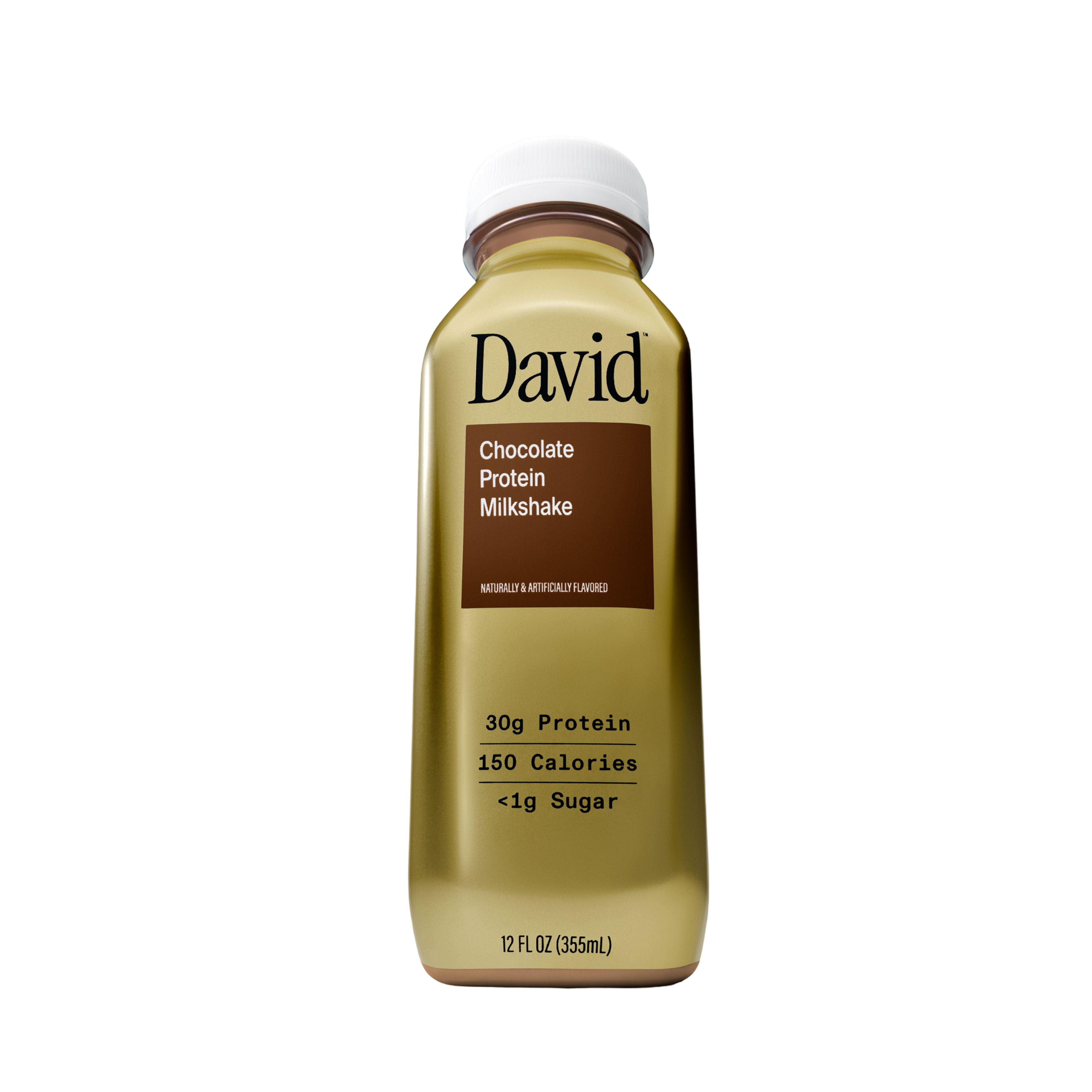
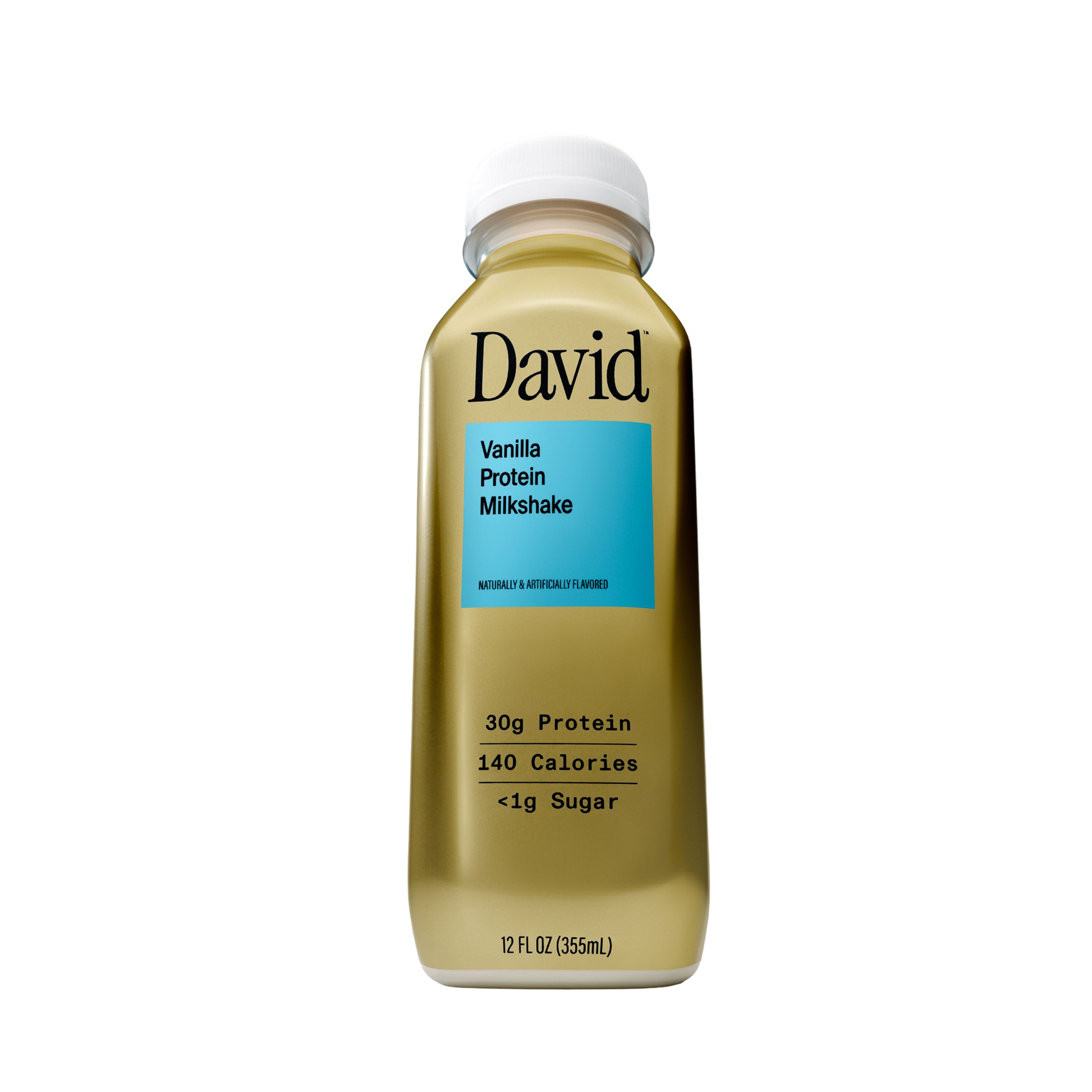
4. Bring a protein shake or bar to every strength session
How to get started: Put a protein bar or protein shake in your gym bag or the fridge the night before each strength session.
How you’ll know it’s working: You have protein with you after every strength session each week for more than 8 weeks, tracked with a checkmark after each session.
5. Drink one glass of water before your first coffee on at least 6 mornings a week
How to get started: Keep a glass or bottle on your nightstand and drink it before getting up.
How you’ll know it’s working: You’re drinking water before coffee on at least 6 mornings a week, tracked with a weekly count. Over time, it becomes part of your morning before you have to think about it.
6. Go to bed 30 minutes earlier than your current average bedtime on at least 5 weeknights
How to get started: Pick a bedtime 30 minutes earlier than your current average and stick to it on weeknights. The recommendation is 7 or more hours for adults.
How you’ll know it’s working: You’re in bed by your target time on at least 5 weeknights. You may also find you’re waking up without an alarm most mornings, or close to it.
7. Add one serving of vegetables to lunch on at least 4 weekdays each week
How to get started: Add one serving of vegetables to whatever you’re already eating for lunch. No full meal overhaul required.
How you’ll know it’s working: You’re adding vegetables to lunch on at least 4 weekdays each week, tracked with a checkmark. Over time, it stops feeling like effort.
8. Log 150 minutes of moderate activity each week
How to get started: The CDC recommends 150 minutes of moderate activity weekly. That’s 30 minutes on five days, or three 50-minute sessions. Common examples are brisk walking, biking under 10 mph, and dancing.
How you’ll know it’s working: You’re hitting 150 minutes in most weeks, tracked in a weekly log, and you review your progress.
How do you pick one resolution to start with?
Instead of aiming for the most ambitious one, pick one that requires the least restructuring of your life. For example, if you already strength train twice a week, packing a protein shake for those sessions is lower friction than overhauling your sleep schedule.
Here’s a simple decision method: Ask which resolution you could start this week without buying anything, rearranging your schedule, or waiting for the right moment. Add a second resolution once you’ve maintained the first for four to six weeks.
Tracking is the lowest-effort way to apply any of these resolutions. Writing down whether you did the behavior, even as a checkmark in a notebook, is enough, and sharing it with someone else strengthens the effect. Using habit-tracking apps or setting calendar reminders can also help you track and achieve your goals.


