















Key takeaways
-
One study found approach-oriented goals have higher success rates.
-
A 2024 review found habits usually take two to five months to feel automatic, and it varies a lot from person to person.
-
In a New Year's resolutions study, goals framed as something to add did a bit better than goals framed as something to stop.
-
Morning practice, a steady routine, and picking your own habit were each linked to more success.
-
In a meta-analysis of 15 samples, people with more self-compassion tended to report more healthy habits. The link was small.
When eating, fitness, wellness, and lifestyle resolutions fade after the beginning of the year, it doesn’t mean you can’t show up for yourself for the rest of the year. For example, if you skip a gym session in the second week of the year, that doesn’t mean you have to cancel your gym membership. If you have a slice of cake, that doesn’t mean you have to completely throw in the towel.
Most people build their diet and exercise resolutions around what they want to stop doing (e.g., “stop eating junk food” or “stop being sedentary”). The key is an additive mindset, also called approach-oriented framing. Rather than taking something out of your daily routine, set goals that add something to it.
This article covers why that happens, how long a new habit realistically takes to form, and what to do when things go off track.
How long does it take to make a healthy habit stick?
A 2024 systematic review and meta-analysis published in Healthcare examined 20 studies involving 2,601 participants across a range of health behaviors: diet, physical activity, flossing, and others.
Of the four studies that specifically measured the time to reach habit automaticity, the time it takes for a habit to become second nature or effortless, median habit formation ranged from 59 to 66 days. Mean times ranged from 106 to 154 days.
This suggests that two months of consistent effort is a reasonable expectation for a habit to begin feeling automatic. The first few weeks require conscious effort; this is normal, not a sign the approach is failing.
Why do plans so often fall apart after January?
The structure of the goal matters more than the intention behind it.
A large-scale study published in PLOS ONE followed 1,066 adults through a full year of New Year’s resolutions. Participants who set approach-oriented goals (moving toward adding something, such as eating more protein or cooking more meals at home) were significantly more successful at the one-year mark than those who set avoidance-oriented goals.
Examples of these types of goals include:
- Schedule a 30-minute strength training session twice a week
- Eat one serving of fruits or vegetables during lunch
- Go on a 15-minute walk after a meal
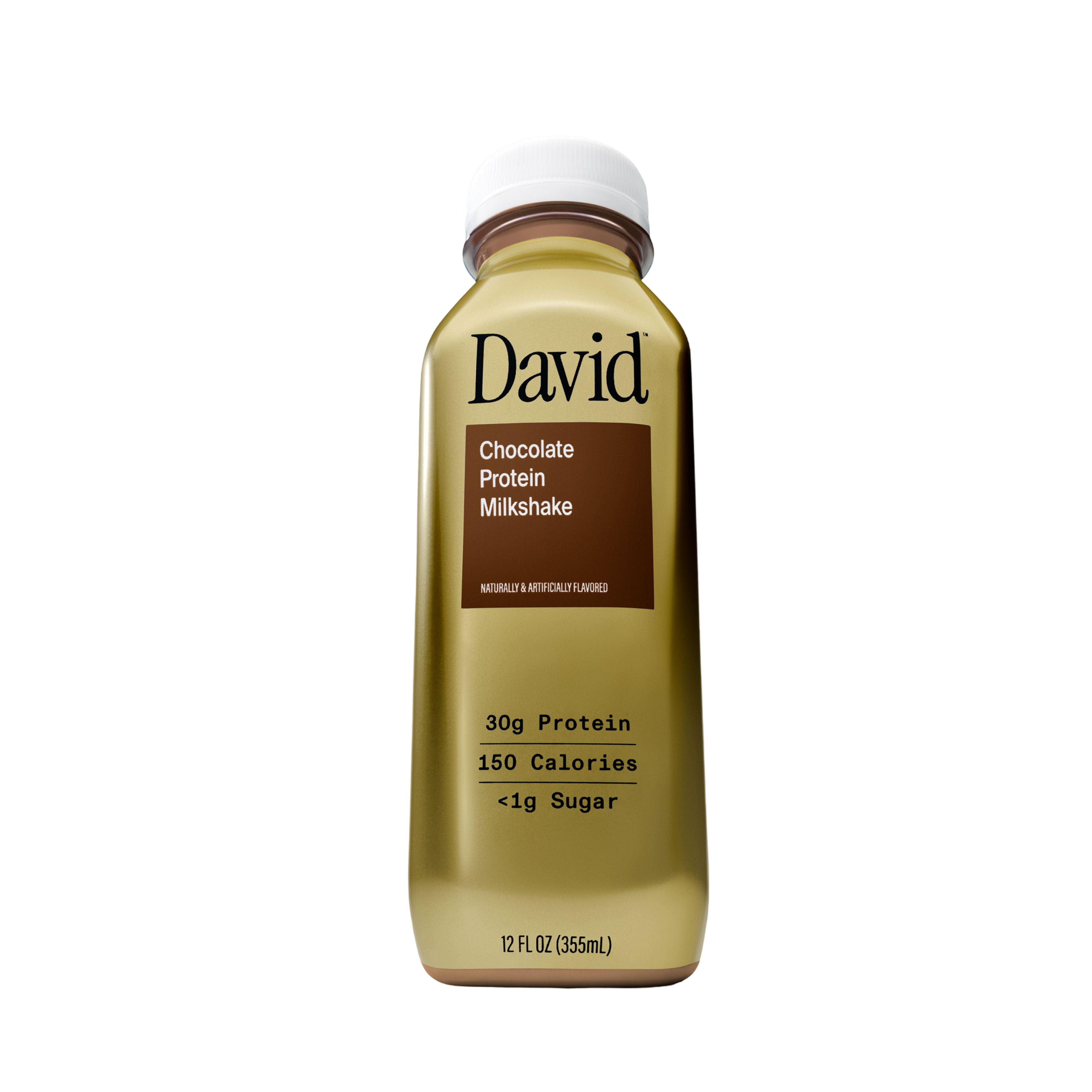
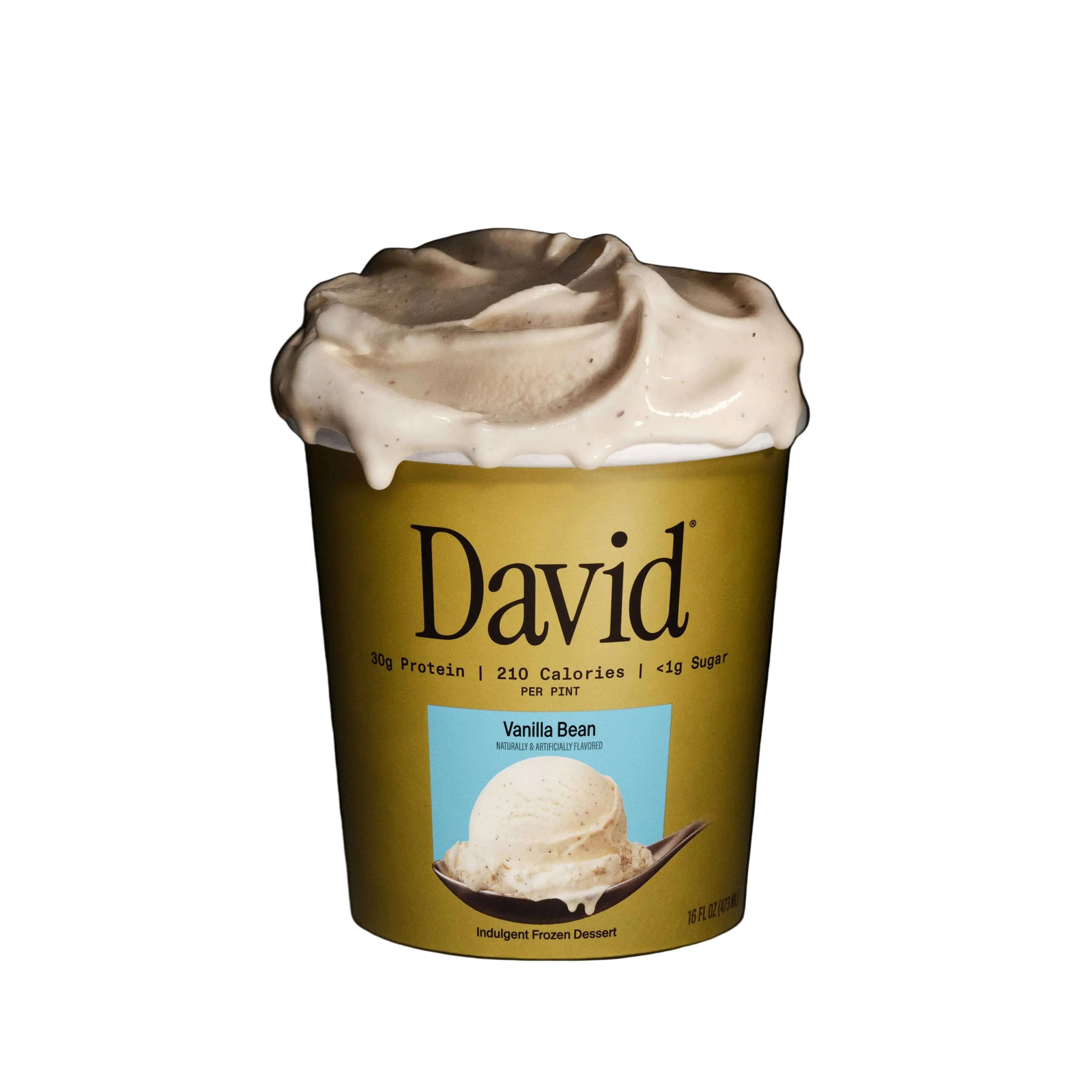
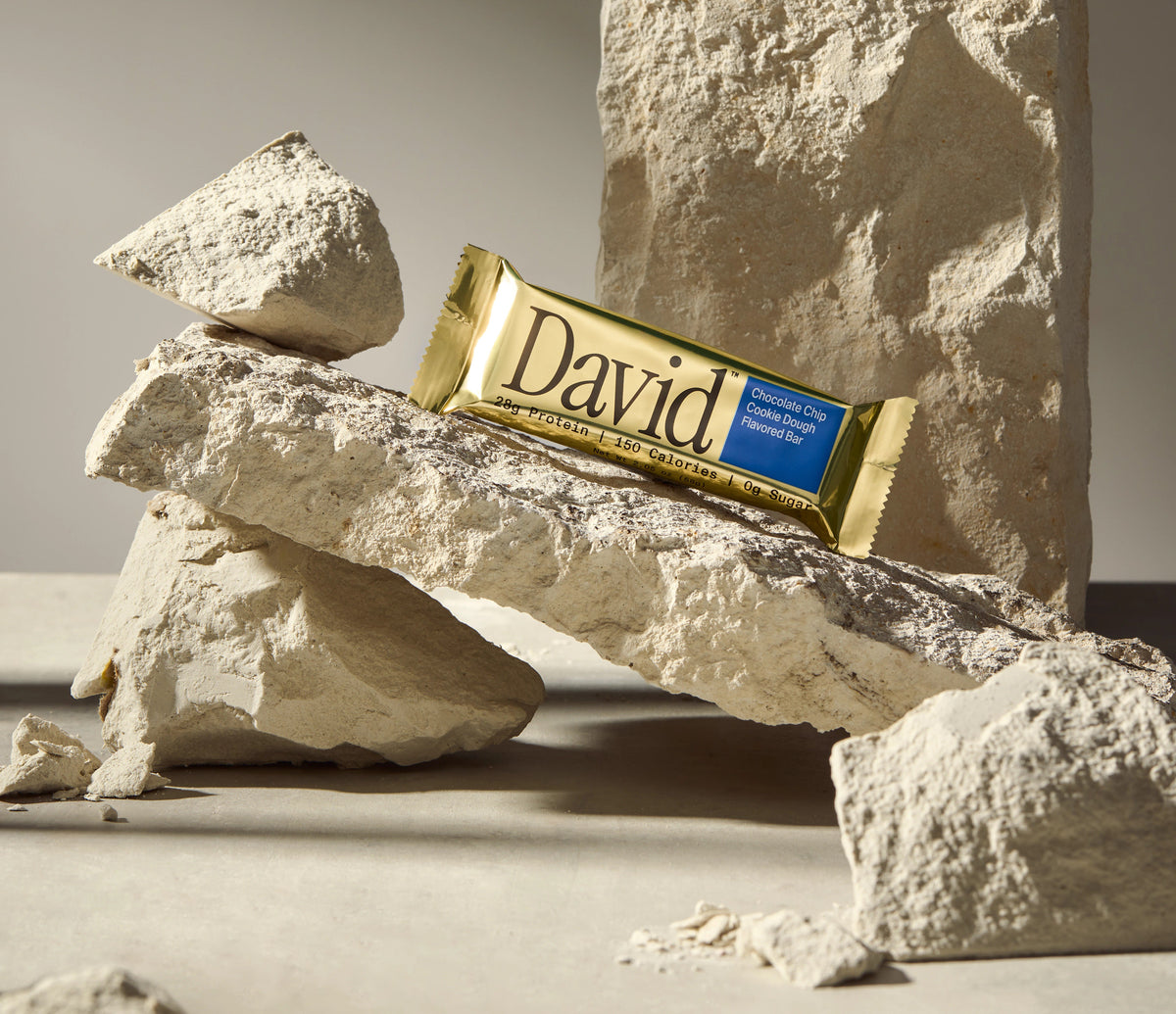
- Keep protein bars and protein shakes in your work bag or gym bag
- Read 15 minutes before bed
- Drink a glass of water before your morning coffee or matcha
The most popular resolution category was physical health, followed by weight loss and eating habits. This means the majority of people making diet-related resolutions are already working in the right category. The difference was how the goal was framed and how consistently people followed it.
Reframing an avoidance goal as an approach goal is a small structural change with a significant effect on outcomes. “Eat 25 to 30 grams of protein at breakfast” is usually more durable than “stop eating pastries in the morning.” Both describe the same behavioral shift, but one gives the brain a clear target to move toward.
What makes habits form faster?
Research on speeding up habit formation is thin, and the time varies a lot from person to person. A 2024 review in Healthcare of 20 studies found a few factors linked to stronger or faster habits:
- Morning practice. In one study, people who stretched in the morning formed a stronger habit than those who stretched in the evening, taking a mean of 106 days versus 154 days.
- A consistent context. People who did a behaviour in a stable pattern and setting showed stronger habit strength.
- Self-selected habits. Habits chosen by the individual, rather than assigned by someone else, were associated with stronger habit formation in one included study.
Overall, the review found habits typically take 2 to 5 months to become automatic, not the commonly cited 21 days.
What should you do after a slip?
Don’t compensate. Don’t beat yourself up. Focus on getting back on track. As already established, building lasting habits requires consistency.
A meta-analysis in Health Psychology examined whether higher self-compassion was associated with more health-promoting behaviors across 15 independent samples involving 3,252 participants. Self-compassion was positively associated with health-promoting behaviors across all samples, with a small but consistent effect size.
The mechanism appears to run through emotional regulation: People who respond to setbacks with self-criticism are more likely to abandon the behavior altogether, while those who respond with self-compassion are more likely to continue.
Conclusion
The plans that survive past January are the ones built around approach-oriented goals, realistic timelines, and defaults that reduce daily friction. Self-compassion after a slip supports long-term adherence in ways the research also supports.


