



















Key takeaways
-
SMART stands for Specific, Measurable, Achievable, Relevant, and Time-framed.
-
Goal setting has a small but meaningful effect on behavior change, and it works better when the goal is challenging and shared with others.
-
Frame goals as things you’re starting, not stopping. Approach-oriented goals have meaningfully higher success rates at one year.
-
If you’re new to exercise or managing a health condition, consult a doctor or certified fitness professional before starting a new training program.
A SMART goal is specific enough to act on, measurable enough to track, and time-framed enough to create accountability. Research across 141 studies covering behaviors from sports performance to weight loss found that goal setting produces a small positive effect on behavior change. The positive effect is stronger when the goal is difficult, made public, and paired with regular tracking.
Setting a fitness goal is easy. As we all know, following through on your goals is the most difficult part of setting New Year’s resolutions. The key to setting successful goals usually comes down to how you structure them.
Here are 10 SMART fitness goals across strength, cardio, and nutrition, each built to that standard.
What does “SMART” stand for?
SMART is a framework for turning a vague intention about what you want to achieve regarding fitness into a plan you can follow through on. Each letter in SMART stands for:
- Specific. A specific goal names exactly what you’re going to do. “Get stronger” is not specific. “Add 20 pounds to my squat” is.
- Measurable. A measurable goal gives you a number to track. Without a number, you can’t tell whether you’re making progress or just going through the motions.
- Achievable. An achievable goal is challenging but realistic for your current fitness level, schedule, and recovery capacity. A goal that requires six days a week when you have three is not achievable.
- Relevant. A relevant goal connects to something you actually care about. If the goal doesn’t matter to you personally, motivation may fade when the process gets uncomfortable.
- Time-framed. A time-framed goal has a deadline. Without one, “someday” is always an option.
How to set fitness goals
First, frame the goal as something you’re starting, not stopping. A 2020 study of 1,066 people found that approach-oriented goals (e.g., “I will walk 30 minutes after dinner”) had a 58.9% success rate at one year versus 47.1% for avoidance-oriented goals (e.g., “I will stop skipping workouts”). The framing changes your relationship to the goal.
Second, track it. The same meta-analysis on goal setting found the effect was stronger when goals were paired with external monitoring. A checkmark in a notebook, a logged workout, or a weekly weigh-in all count.
10 SMART fitness goals you can start this week
Here are ten SMART fitness goals, grouped into three categories.
Strength
1. Strength train twice a week for eight weeks
This is specific, scheduled, and achievable for most beginners. The International Society of Sports Nutrition (ISSN) notes that resistance exercise and protein intake work together to promote muscle protein synthesis, so pairing this goal with a protein target compounds the benefit.
2. Add 10 pounds to a major lift in 12 weeks
Pick one: squat, deadlift, bench press, or overhead press. Ten pounds over 12 weeks is achievable for many people newer to training.
3. Complete 10 consecutive push-ups by the end of the month
This is a concrete, measurable milestone for anyone building upper-body strength from scratch. Start wherever you are and add one rep per session.
4. Do a mobility routine three times a week for 30 days
In a 2024 study, participants who followed a structured mobility routine for 12 weeks showed greater flexibility gains compared to those doing repetitive cardio exercise alone. Set a calendar reminder.
Cardio
5. Walk 150 minutes per week for the next four weeks
The CDC recommends 150 minutes of moderate-intensity activity weekly for general health. Start here if you’re building from a baseline.
6. Run a 5K in under 35 minutes by a specific date
Sign up for a local race to make it public. A 2017 meta-analysis found publicly committed goals had stronger effects on behavior change.
7. Ride a bike or use a stationary bike for 20 minutes, three times a week, for six weeks
The time frame here is short enough to feel achievable and long enough to build a real habit.
8. Add one 10-minute walk after lunch every workday this month
A 10-minute walk after lunch every workday will cover ⅓ of your recommended physical activity.
Nutrition
9. Hit a daily protein target of 1.2 to 1.6 g/kg of body weight, five days a week, for four weeks
Protein intake in this range supports muscle growth for most active adults. The Dietary Guidelines for Americans recommend protein-rich foods at every meal as part of a balanced diet. Plan one protein-forward meal per day to start, then build from there.
10. Eat at least 25 g of protein in the morning five days a week for the next month
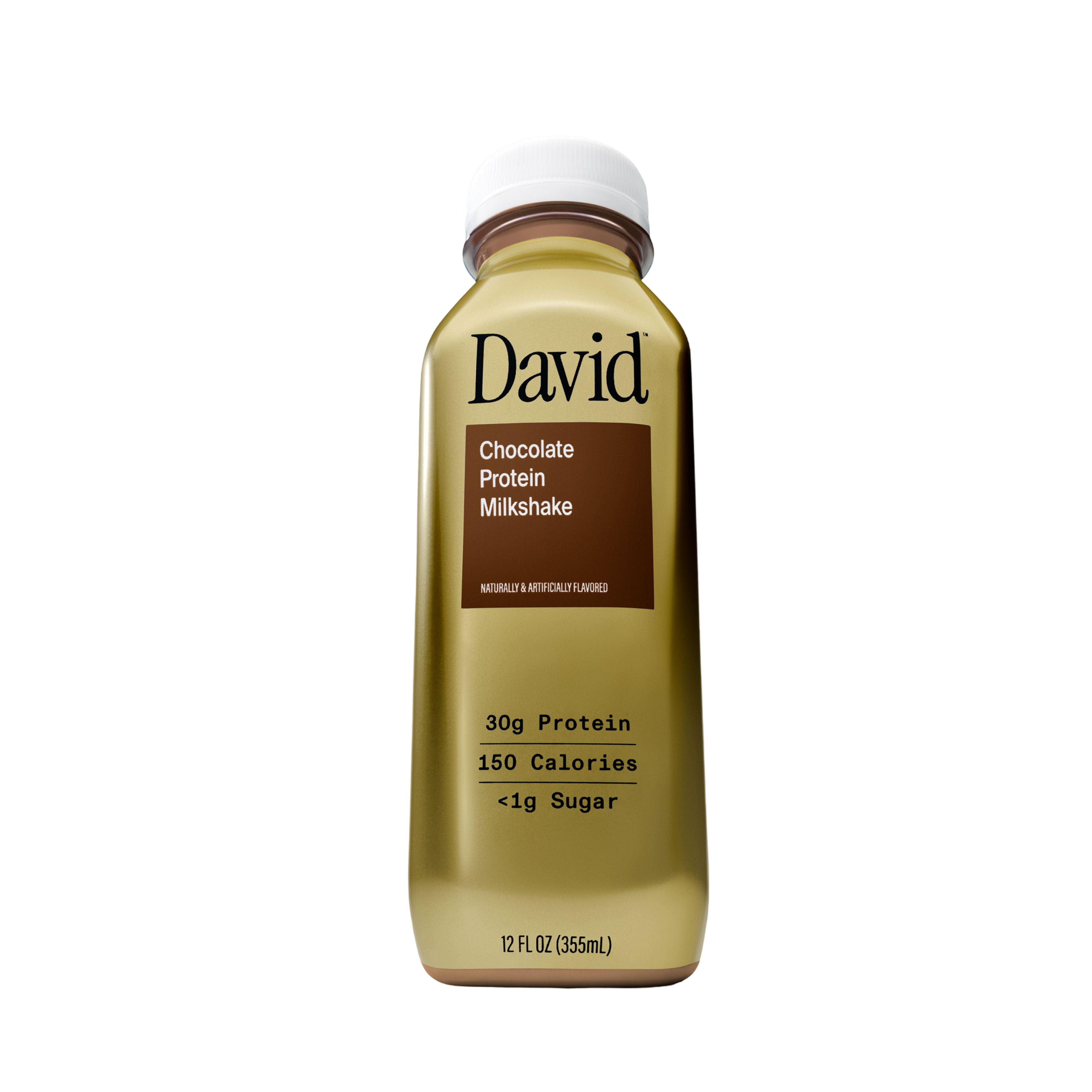
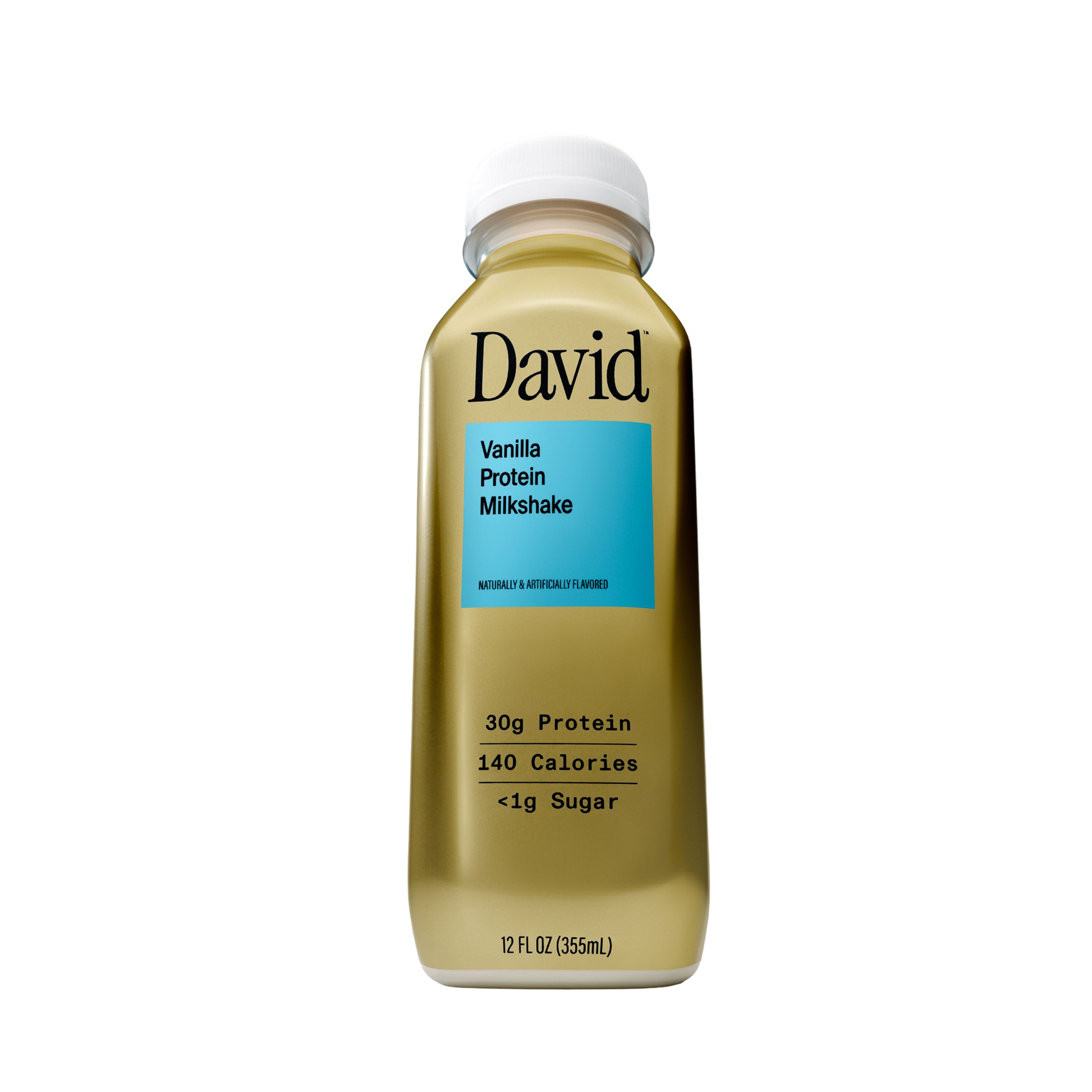
Aim for at least 25 to 30 grams of protein at breakfast. High-protein breakfast options include eggs, Greek yogurt, cottage cheese, or a David Protein shake paired with fresh fruit, a serving of nuts, or a slice of whole grain toast.
Conclusion
A SMART goal doesn’t guarantee success, but it removes the main reasons people quit. Pick one goal from the list above, write down how you’ll track it, and tell someone about it. Those three steps alone put you in a position to succeed.
If hitting a protein target is on your list, David Protein bars and protein shakes make it easier to reach 25 to 30 grams per meal without meal prep.


