



















Key takeaways
-
Muscle growth happens when muscle protein synthesis (MPS), the process that builds and repairs muscle, outpaces muscle protein breakdown (MPB), or the breakdown of old or damaged skeletal muscle into amino acids.
-
Regular strength training, like lifting weights, and eating enough protein both stimulate MPS.
-
The Dietary Guidelines for Americans 2025-2030 recommend 1.2 to 1.6 g/kg per day for adults.
-
The increase of weight, reps, or sets over time, known as progressive overload, keeps your muscles adapting and is the main way to overcome a plateau.
-
Meaningful muscle growth takes months, not weeks, so consistent training and eating matter more than any single workout.
-
One night of total sleep deprivation reduced MPS by about 18% in a small study.
-
Chronic stress may raise cortisol and increase muscle protein breakdown.
Why am I not gaining muscle? Even when you're exercising consistently and eating reasonably, muscle growth can stall. A muscle-building plateau is common, and it's normal to feel confused or lose motivation when progress slows. The fix is often simpler than adding supplements or new workouts, and it starts with understanding the mechanism behind muscle growth.
That mechanism is muscle protein synthesis. Every variable that matters in building muscle (training, protein intake, sleep, stress management) works through this single process.
What is muscle protein synthesis and why does it matter?
Muscle protein synthesis (MPS) is the biological mechanism behind every visible result from resistance training. This process is why lifting weights makes your muscles stronger and bigger over time, instead of just tiring them out. Without it, your workouts wouldn't lead to any real change.
How does muscle protein synthesis work?
MPS begins with a signal. That signal typically comes from resistance training, such as squats, biceps curls, or resistance band exercises, and from essential amino acids in the protein you eat, such as cod, protein bars, shakes, or tofu. That signal activates a pathway controlled by a protein called mTOR (mechanistic target of rapamycin), which initiates the production of new muscle proteins.
The process follows these straightforward steps:
- Your DNA sends the instructions. Your cells copy the instructions for building muscle protein from your DNA into a messenger molecule called mRNA.
- Ribosomes build new muscle protein. They read the mRNA and link together amino acids from the protein you eat. This is protein synthesis in muscle.
- The new protein repairs and builds muscle. The chains fold into working proteins that repair muscle fibers damaged by training and make them bigger and stronger. This is how muscles grow.
MPS does not occur in isolation. It runs in constant tension with muscle protein breakdown (MPB), which essentially is old and damaged muscle returning into amino acids, the essential building blocks of protein. Muscle growth occurs only when synthesis exceeds breakdown.
What is high-quality protein for building muscle?
Quality is determined by whether a source provides all nine essential amino acids and how efficiently the body absorbs them. These two factors are measured by scoring systems like PDCAAS and DIAAS. For a full breakdown of how these scores work and what they mean in practice, see the David guide to protein quality.
Most animal proteins consistently score at or near the top of both scales.
So, how do I build muscle?
Three inputs drive muscle protein synthesis:
- Exercise that signals the body to adapt
- Sufficient protein to provide the building blocks
- Adequate recovery to allow synthesis to occur
Think of it like a three-legged stool. If you remove any one leg, the whole thing falls. If you optimize one input and neglect another, you may hit a plateau or see slower progress.
What is progressive overload, and how does it build muscle?
Progressive overload is the systematic increase of training intensity over time through added load, volume, frequency, or reduced rest during workouts. It is the primary signal that tells the body to build new muscle. Without it, protein intake alone produces limited muscle growth over time.
In practice, progressive overload looks like adding 5 pounds to a lift when the current weight becomes manageable, increasing from 3 sets to 4 sets per exercise after several weeks at the same volume, reducing rest periods between sets, or adding a third lifting day to a two-day weekly schedule.
A 2017 review in the Journal of Sports Sciences combined the results of 15 studies to see how weekly weight training volume affects muscle growth. Overall, more training meant more muscle. Volume is counted in "sets," which are groups of repetitions done back to back, like 10 squats in a row. Each extra weekly set for a muscle group (such as your legs or chest) was linked to about 0.37% more muscle growth. Across the studies, people who did higher volumes gained about 3.9 percentage points more muscle than those who did lower volumes.
The researchers also compared three ranges: fewer than 5 sets, 5 to 9 sets, and 10 or more sets per muscle group each week. Higher ranges tended to produce more growth, but the difference was small enough that it could be due to chance. Treat it as a hint, not a firm finding.
How much protein should you eat per day to build muscle?
The Dietary Guidelines for Americans 2025-2030 recommend 1.2 to 1.6 g/kg per day for adults. However, research suggests people who exercise regularly may benefit from more. The Journal of the International Society of Sports Nutrition notes that a protein intake of 1.4 to 2g/kg/day may improve training adaptations.
A 2024 review in Frontiers in Nutrition noted that, beyond total daily protein intake, the long-term importance of meal distribution for muscle mass remains unclear. Still, distributing protein across multiple meals, rather than concentrating it at dinner, may support a more consistent MPS stimulus across the day.
One study of 8 adults in The Journal of Nutrition found that consuming about 30 grams at breakfast, lunch, and dinner produced 25% greater 24-hour MPS than consuming the same total as about 11, 16, and 63 grams.
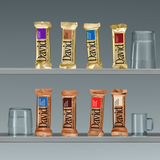
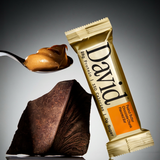
For busy schedules, maintaining protein distribution across four eating occasions is the real challenge. David Gold bars have 28 grams of protein in 150 calories and help you supplement your protein intake between meals.
How important are sleep and stress for muscle growth?
Training breaks muscle down. Recovery builds it back up. Two variables directly undermine recovery: poor sleep and chronic stress.
A 2021 study in Physiological Reports found that a single night of total sleep deprivation reduced post-meal MPS by 18% in 13 healthy young adults. Sleep deprivation also shifted hormonal balance in a catabolic direction. Testosterone exposure decreased by 24% and daytime cortisol exposure increased by 21%. The researchers noted that repeatedly blunting the anabolic response to meals and exercise may explain the association between chronic sleep loss and poorer muscle mass over time.
Chronic stress compounds the problem through a different mechanism. A 2025 review in International Immunopharmacology suggests that chronic stress elevates cortisol and promotes inflammation, which may increase protein breakdown, reduce protein synthesis, and accelerate muscle atrophy under sustained psychological stress.
Sleep quality and stress management are direct inputs into the MPS equation.
How do you avoid or break a plateau in muscle building?
Workout plateaus are common, and they usually have a fixable cause: one or more inputs have fallen short of what your body needs to keep adapting. When progress stalls, check these in order:
- Progressive overload. Are you adding weight, reps, or sets over time? Eating more protein won't fix a workout that has stopped challenging your muscles.
- Daily protein. Are you hitting your target most days? Tracking for one to two weeks often reveals gaps you didn't notice.
- Calories. Eating well below what you burn makes it harder to build muscle, because muscle protein synthesis drops and breakdown can rise.
- Sleep and stress. One night of total sleep deprivation reduced MPS by about 18% in a small study, and ongoing sleep loss or high stress may add up over time.
- Meal timing. Once the basics are covered, spreading protein across meals (about 25 to 40 g each) may help further.
What if your appetite is low, such as on GLP-1 medications?
For those managing appetite on GLP-1 medications, reduced hunger creates a real risk of protein under-eating at the precise moment protein targets matter most. Calorie-efficient, high-protein options become useful tools.
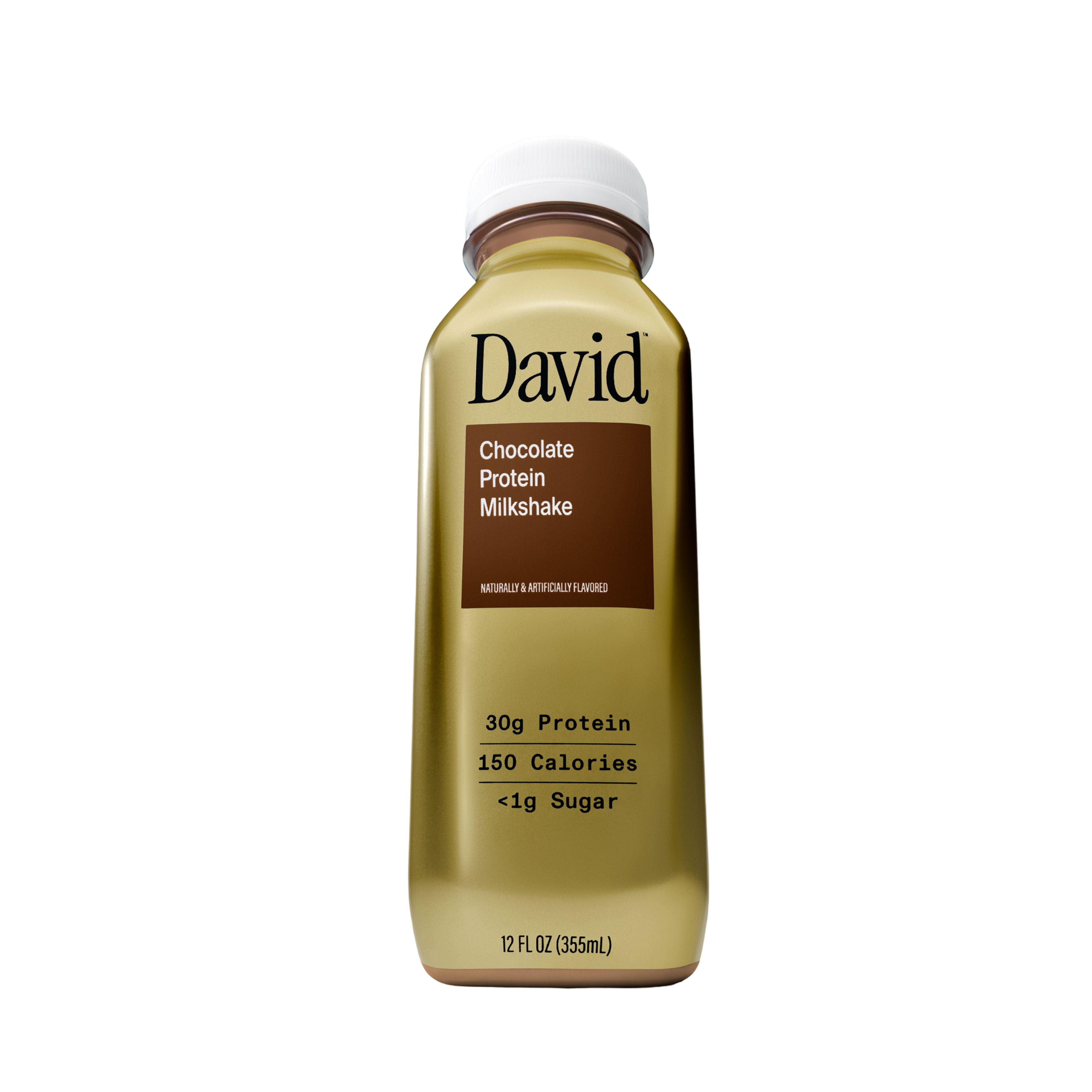
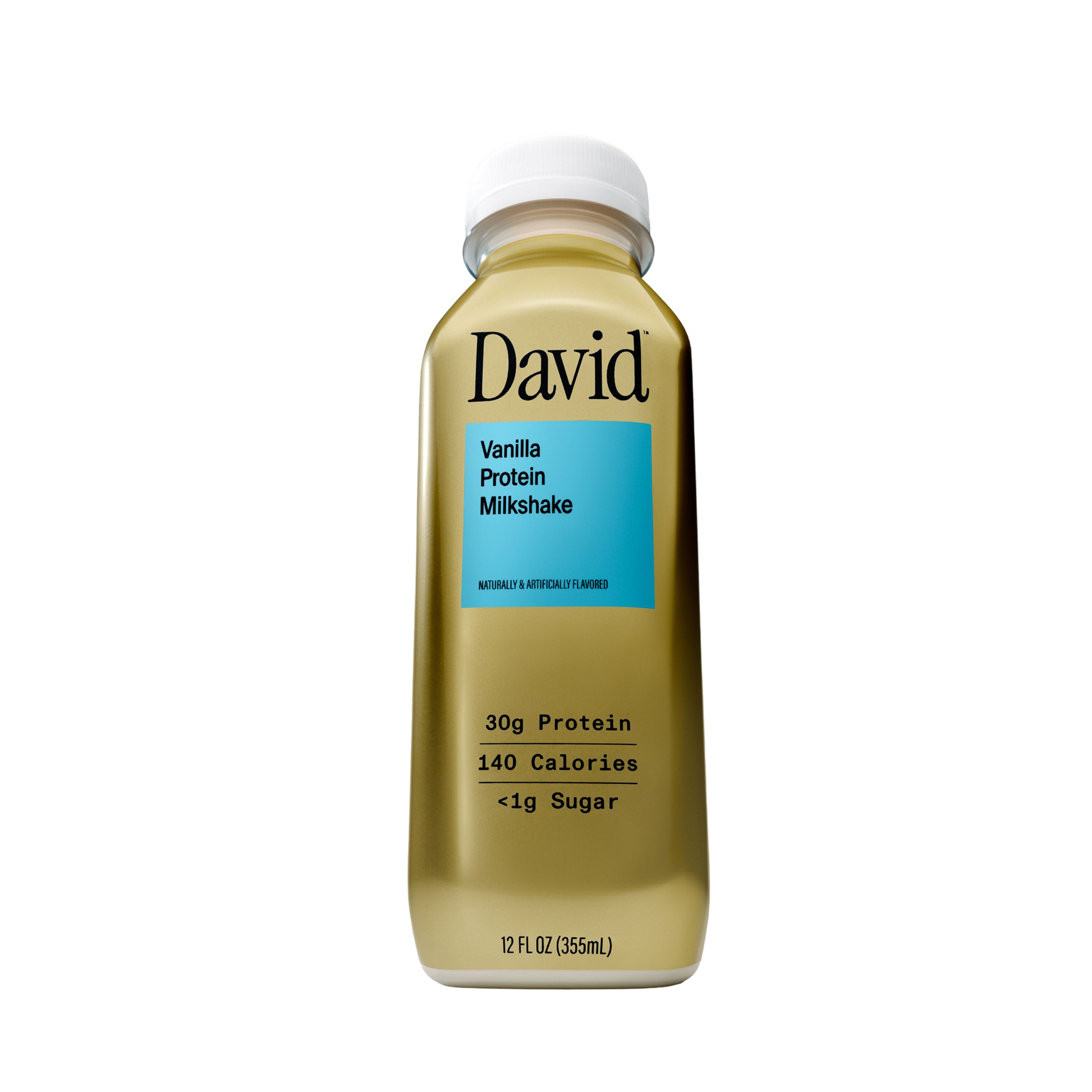
For example, David protein shakes deliver 30 grams of protein at 140 to 150 calories per shake without requiring large food volume, making them a practical option for anyone navigating decreased appetite while trying to meet their protein goals. Feel free to discuss your daily protein intake with a healthcare professional, especially if you are concerned about maintaining muscle.
What does it take to keep building muscle?
Muscle protein synthesis is triggered by the convergence of training stimulus, amino acid availability, and adequate recovery. For the inputs that are hardest to maintain consistently (such as daily protein targets and distribution across meals), the biggest barrier is logistics.
David Gold bars (28g), David Pints (30g), and David Shakes (30g) help remove that barrier: up to 30g of protein, in a format that requires no preparation, at any point in the day.


