











Medical disclaimer: This article is for informational purposes only and does not constitute medical advice. Individuals taking GLP-1 medications should consult their healthcare provider before making changes to their diet or exercise routine.
GLP-1 medications such as Ozempic, Wegovy, and Mounjaro have transformed obesity treatment by enabling significant, sustained weight loss. Alongside these benefits, concerns about muscle loss have become increasingly common—particularly as appetite suppression makes adequate protein intake more difficult.
This article explains how GLP-1 medications affect appetite and body composition, clarifies common misconceptions, and outlines practical, evidence-informed strategies to preserve muscle while losing weight.
Key Takeaways
-
Clinical trials show individuals using GLP-1 medications lose 25–40% of their total weight loss as lean mass, though this appears largely adaptive to weight loss rather than a unique drug effect.
-
Protein intake is a key factor for muscle preservation. Evidence-based recommendations suggest 1.2g to 2g of protein per kg of body weight daily.
-
The best muscle preservation results come from blended strategies. Resistance training combined with adequate protein intake is more effective than diet or exercise alone.
How GLP-1 Medications Work
Glucagon-like peptide-1 agonists help to manage blood sugar levels in people with Type 2 diabetes. They've also become a popular treatment for obesity.
GLP-1 agonists work by mimicking the body's natural GLP-1, a crucial hormone produced in the small intestine. This hormone plays multiple roles:
- Stimulates insulin secretion: GLP-1 triggers the pancreas to secrete insulin, which allows the cells to use sugar for energy, lowering blood sugar levels.
- Blocks glucagon: GLP-1 suppresses glucagon secretion, which is a hormone that increases blood sugar.
- Slows gastric emptying: GLP-1 slows down the rate at which the stomach empties food into the small intestine, making you feel fuller for longer.
- Suppresses appetite: GLP-1 acts on the brain's satiety centers to enhance feelings of fullness and reduce appetite.
These combined effects make GLP-1 medications powerful tools for blood sugar control and weight management, though the weight loss they enable requires careful attention to protein intake and muscle preservation.
What the Evidence Says About GLP-1 Muscle Loss
Rapid weight loss of any kind is typically accompanied by some loss of lean mass. With GLP-1 therapies, the pace and magnitude of weight reduction can make those changes more noticeable. When individuals lose 15–20% of their body weight in less than two years, the absolute amount of muscle lost can be substantial even if the proportion is similar to other weight loss methods. Protein intake and resistance training play a central role in determining how much muscle is preserved during weight loss.
Daily Protein on GLP-1 Medications
Weight loss research recommends higher-protein diets that contain between 1.2 to 2 g/kg daily protein based on body weight. For individuals with obesity, adjusted body weight can also be used to determine daily protein needs, and is calculated as target body weight plus 25% of the difference between current and target body weight.
Example calculation:
- Target body weight: 175 lbs (80 kg)
- Current weight: 220 lbs (100 kg)
- Excess weight: 45 lbs (20 kg)
- Adjusted body weight: 80 + (0.25 × 20) = 85kg
- Daily protein target: 102–170 grams
These recommendations derive from weight loss research across multiple populations. While optimal targets specifically for GLP-1 users need more data from randomized trials, current evidence supports these ranges for muscle preservation during significant weight loss.
Timing Daily Protein Intake
Distributing intake throughout the day, aiming for 25–40 grams per meal, can help maximize daily protein consumption. The quality of the protein matters as well: high-quality sources with a complete amino acid profile are ideal, especially essential amino acids, which the body is unable to synthesize and therefore must come from one's diet.
Protein Options for Low Appetite
For individuals experiencing appetite suppression, some protein-dense foods in smaller volumes include:
| High Protein Snacks | Protein Content (in grams) |
|---|---|
| Greek yogurt | 15–20 g per 6 oz |
| Cottage cheese | 14 g per 1/2 cup |
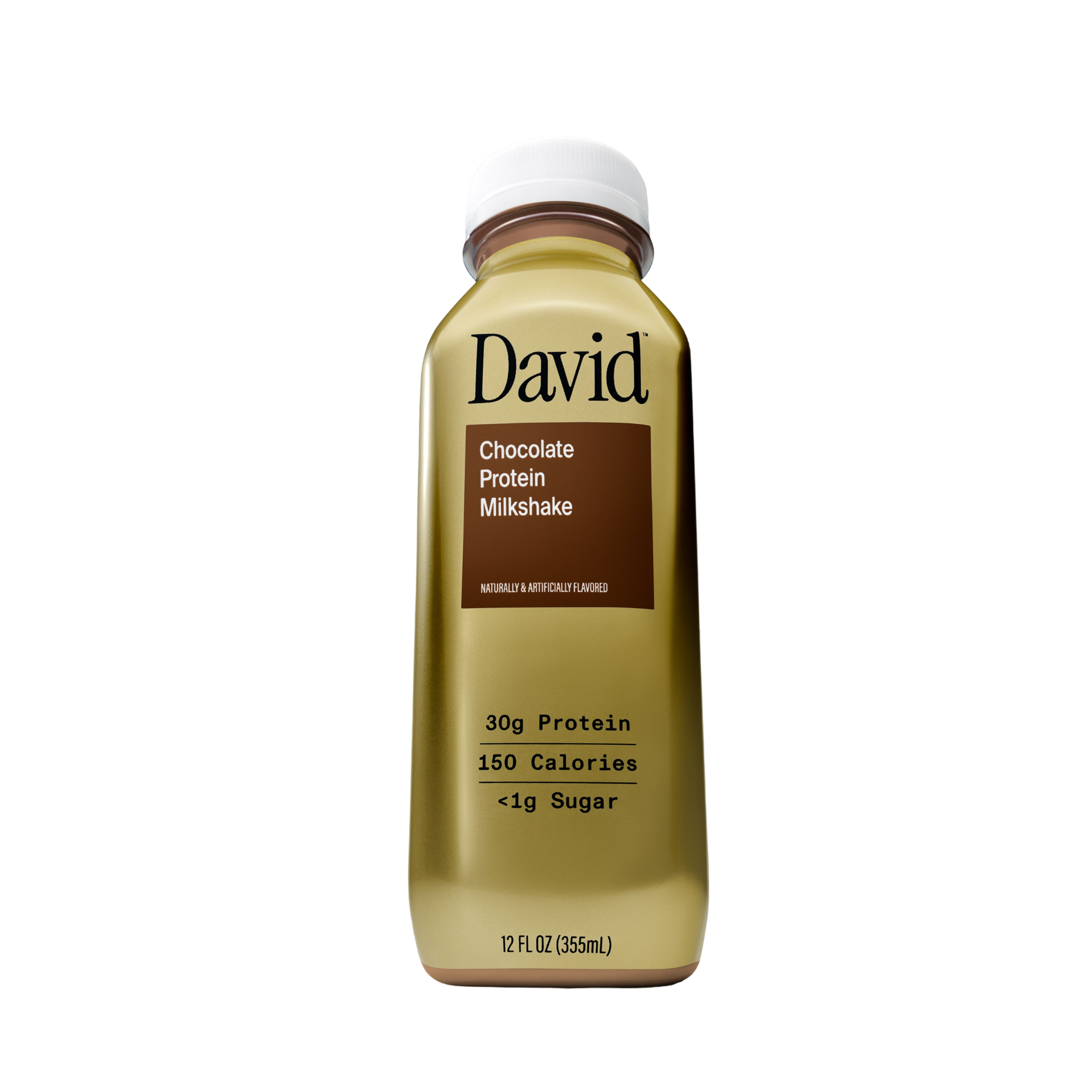
| Protein shakes | 20–30 g per serving |
| Eggs | 6 g per egg |
| Lean poultry or fish | 25 g per 3 oz |
| David Protein Bar | 28 g per bar |
| Edamame | 17 g per cup |
Liquid vs. Whole-Food Protein
Liquid protein sources like shakes and smoothies may be better tolerated when solid food consumption proves challenging. These options require less gastric capacity and are often easier to consume when experiencing nausea or reduced appetite.
However, whole-food sources often provide fiber not found in liquid supplements. The optimal approach involves strategic use of both sources based on individual tolerance and daily protein targets.
Exercise on GLP-1
Resistance training helps preserve muscle during weight loss, particularly when calorie intake is reduced on GLP-1 therapy. When paired with adequate protein intake, 3-5 days of resistance training per week can meaningfully reduce muscle loss during GLP-1 treatment.
If new to training, a gradual approach improves consistency and reduces injury risk. Beginning with low-impact movement such as walking or light strength exercises allows the body to adapt as weight decreases and energy intake changes. Intensity and volume can be increased over time as strength and confidence improve.
Evidence Supporting Exercise and Protein Intake
There are currently no clinical trials specifically examining protein intake during GLP-1 treatment, but higher protein intake combined with resistance training is beneficial:
-
A 2025 case series published in SAGE Open Medicine described three patients using semaglutide or tirzepatide who engaged in resistance training 3 to 5 days weekly and consumed protein at 0.36 to 0.77 g/lb of total body weight (0.73 to 1.04 g/lb of fat-free mass). Their lean soft tissue changes were -6.9%, +2.5%, and +5.8% respectively, despite total weight loss of 13–33%.
While additional research must be conducted to prove causation, this study demonstrates that muscle preservation during GLP-1 treatment is achievable.
-
A 2025 study of 200 adults combining GLP-1 medications with resistance training education and individualized protein intake (generally above 0.36 g/lb) showed participants lost approximately 13% of body weight but only 3% of muscle mass after six months. Males lost 13% body weight with 1.2% muscle loss, while females lost 12% weight with 3% muscle loss. Note: this study has not yet been published in a peer-reviewed journal.
Common Myths About GLP-1 Usage
"Muscle loss is unavoidable."
While some lean mass reduction commonly occurs during weight loss, the case series and prospective 6-month study above suggest that substantial muscle preservation is achievable with targeted interventions like exercise and adequate protein intake, though these remain preliminary findings.
"GLP-1s cause unique muscle wasting."
Contemporary analyses suggest muscle changes during GLP-1 treatment are largely adaptive responses to weight loss rather than maladaptive drug effects. A Circulation analysis of muscle mass changes concluded that muscle volume changes are "commensurate with what is expected" during weight loss and that improvements in muscle quality may offset volume reductions.
Tips for Preserving Muscle Mass While Taking GLP-1 Medications
- Calculate protein targets: Consume 1.2 g to 2g of protein per kg of body weight daily.
- Distribute protein intake: Aim for 25–40 g protein per meal when possible.
- Prioritize protein quality: Choose protein sources that provide adequate amounts of essential amino acids like whey, eggs, poultry, and fish.
- Use supplements strategically: Incorporate protein bars and liquid protein when whole-food intake is insufficient.
- Prioritize resistance training: Engage in resistance exercise a minimum of 2–3 times weekly, targeting major muscle groups.
- Maintain realistic expectations: Recognize that some muscle mass loss may occur even with optimal strategies.
Conclusion: Prioritize Protein Intake and Exercise
Weight loss on GLP-1 medications does not have to come at the expense of muscle. Lean mass changes are influenced more by protein intake and resistance training than by the medication itself.
Although precise protein targets and long-term strategies continue to be studied, the current best practice is to consume 1.2-2 g/kg daily protein daily and prioritize consistent strength training. GLP-1 therapy is most effective when combined with nutrition and exercise strategies that preserve strength, metabolism, and overall health.


