













Protein is essential for building muscle and recovering from workouts. Total daily protein intake matters most, but being strategic with timing may help you reach your body recomposition goals faster.
The concept of "protein timing" refers to the timing of protein intake throughout the day. Athletes often spend considerable time thinking about it, and research suggests that optimizing protein timing can support fitness goals.
There are some practical rules of thumb for protein timing, but there are also social media myths floating around about a strict "anabolic window," the belief that muscle-building protein must be consumed within 30 minutes of training.
Key Takeaways
-
Getting enough protein throughout the day is more important than being diligent with timing, but timing may help with specific goals.
-
The idea of the "anabolic window" is often over-stated, though focusing on consuming sufficient protein before and after workouts and before bed may show marginal benefits when paired with consistent resistance training.
-
Getting enough protein in the morning can help you feel fuller for longer, making it easier to maintain a calorie deficit and support fat loss.
What does protein timing consist of?
Protein timing is often treated as a single, well-defined concept. In practice, the term can commonly refer to one of several different, though often related, ideas. Depending on the context, it might mean when you eat protein during the day, how you distribute your daily protein across the day, or when you consume protein relative to exercise.
It is important to remember that while specific protein timing may be beneficial for individuals with specialized goals or needs, it has been found to be less of a predictor of muscle growth than consuming enough total daily protein, particularly when paired alongside consistent resistance training.
With all of this in mind, let's dive deeper into the three protein timing concepts.
When you consume protein during the day
This refers to the clock time of your high-protein eating occasions. For example, consider whether you consume most of your protein at dinner or whether breakfast and lunch also contain meaningful amounts.
However, total daily protein intake is what matters most for muscle growth, not when or how you spread it throughout the day. There is no evidence for "optimal" timing of protein consumption. It is generally more important to ensure you are consuming an adequate amount of protein for your body, goals, and activity level.
How you distribute protein across the day
Protein distribution describes how your daily protein intake is spread across meals and snacks. The goal of protein distribution is to spread protein across several instances throughout the day.
The typical Western diet follows a "back-loaded" pattern: little protein at breakfast, a moderate amount at lunch, and a large amount at dinner. In a tightly controlled crossover study of healthy adults, researchers found that spreading protein evenly across meals stimulates increased muscle protein synthesis over 24 hours.
That said, this comes from a single, small study measuring protein synthesis over a short window, not muscle growth over time, and longer resistance-training studies are mixed.
When you consume protein relative to exercise
Exercise-related protein timing means the intake of protein before and/or after a training session. The goal is to provide amino acids when exercise has increased the muscle's sensitivity to protein. The short period of time following exercise is often referred to as the "anabolic window". While the concept of the "anabolic window" has gained in popularity recently, its actual impact on muscle protein synthesis is often overstated. A meta-analysis of dozens of studies assessing the impact of protein timing on hypertrophy and muscle strength found no convincing evidence that consuming protein within one hour before or after resistance exercise results in muscle gains as compared with other timing patterns, again pointing to total daily protein intake as the most important variable.
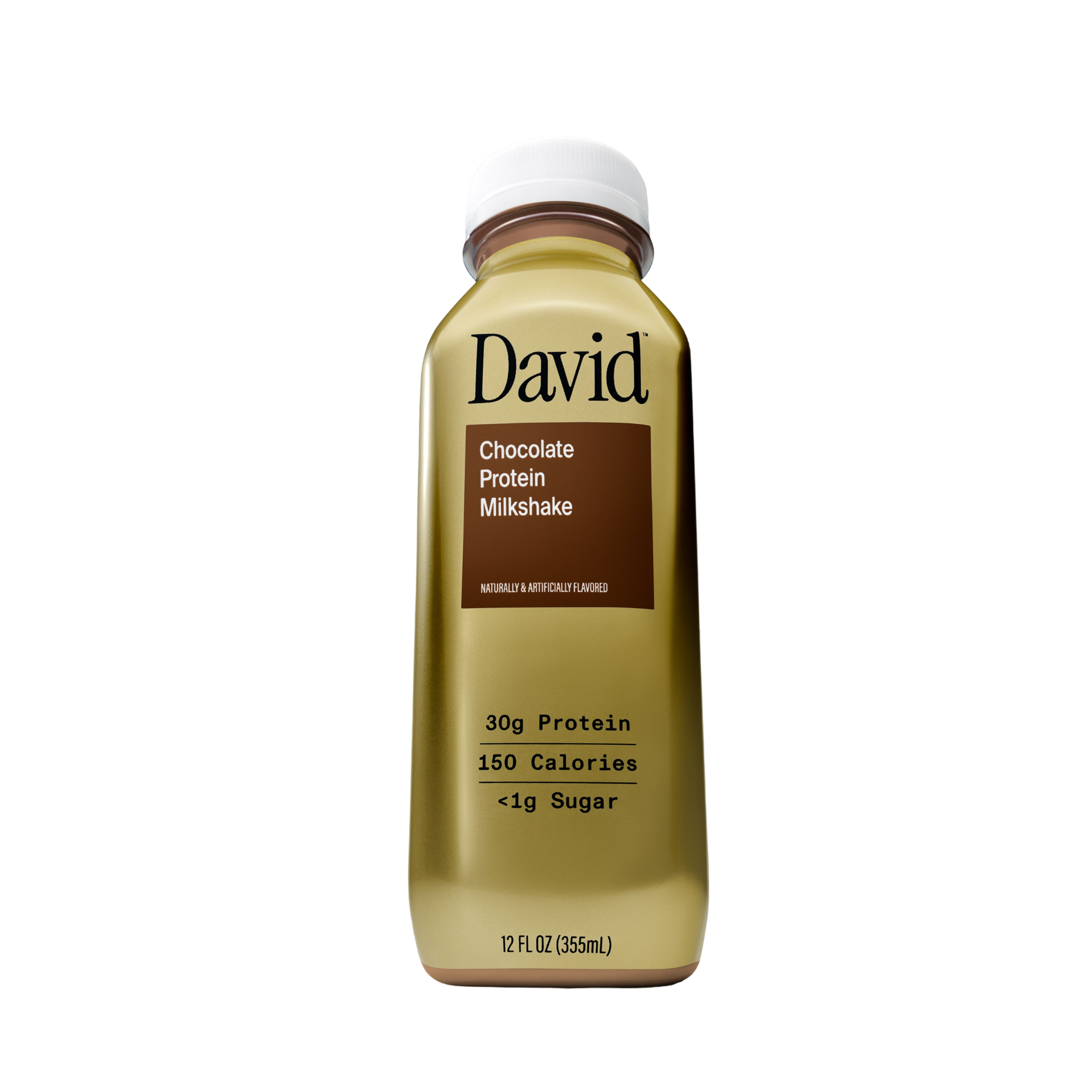
That said, a post-workout protein bar or shake can be a practical part of many people's gym routine. This can make it easier to consistently meet your daily protein target, an outcome that matters far more to muscle growth than precisely timing protein intake or spacing it across the day.
Does protein timing really help with muscle gain?
Protein provides amino acids that help the body maintain and build muscle rather than break it down. The primary goal of strategic protein timing is to boost muscle growth opportunities throughout the day. The time windows before and after exercise and before bed are most important.
Pre-workout protein
In one small study, consuming 25 grams of protein before resistance training produced more muscle and strength benefits over 10 weeks compared to consuming 25 grams after training only. In addition to protein, eating carbohydrates before a workout can help boost energy and performance.
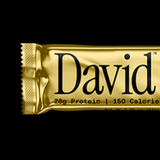
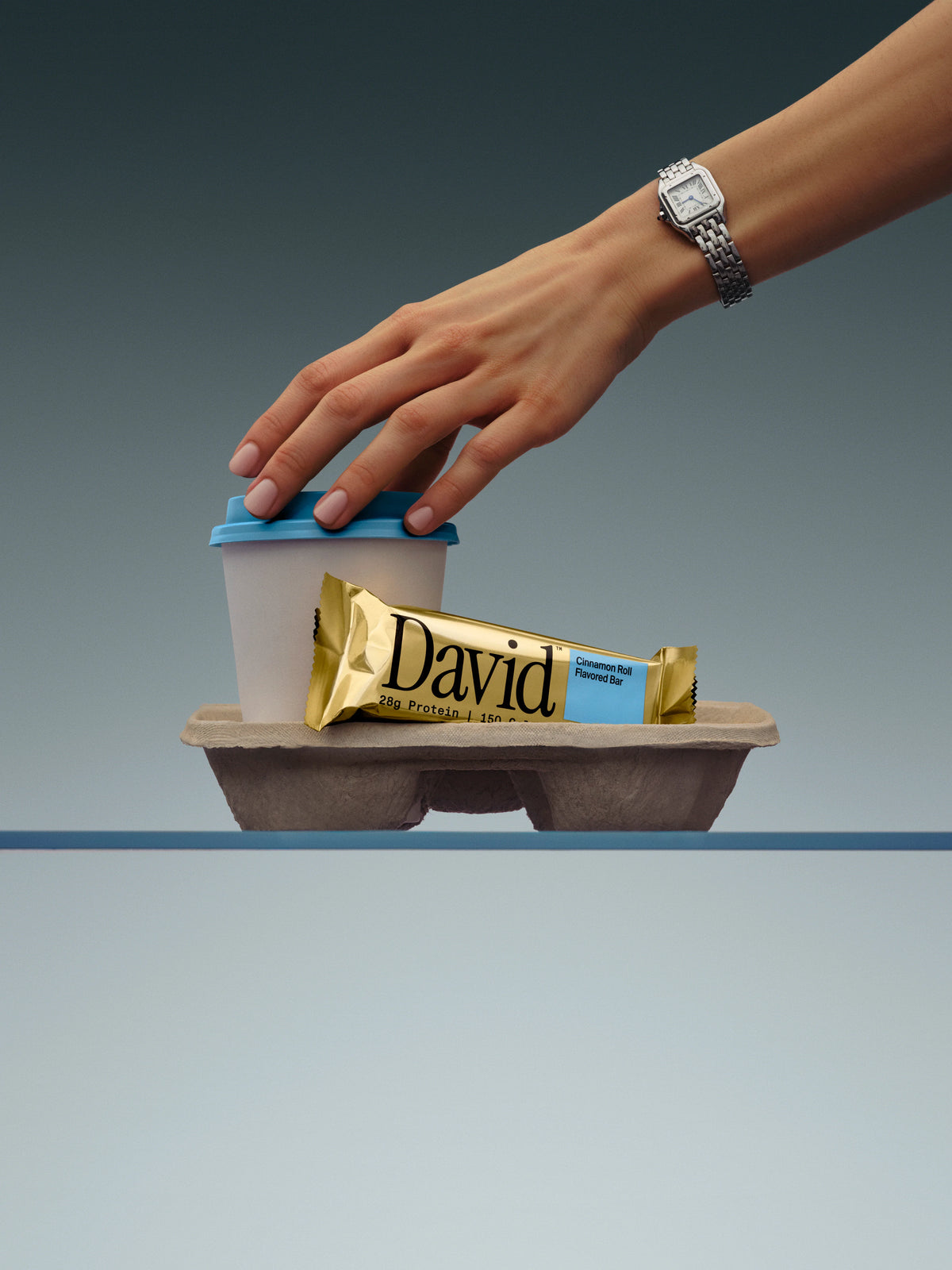
Getting 25 grams of protein before your workout doesn't require a full meal. A David protein bar is a convenient protein source you can take wherever you go. Our Gold bars deliver 28g of protein. Pair a David bar with a banana, an apple, or another quick carbohydrate to help fuel your workouts.
Post-workout protein
The 30-minute "anabolic window" is largely a myth. A 2018 review suggests that muscle-building processes stay elevated for 4 to 6 hours post-workout. That means you have several hours after exercising to get in a protein-rich meal.
If you exercise in the morning and haven't eaten much beforehand, post-workout protein is especially important. Training without adequate nutrition beforehand may limit muscle-building efficiency. Getting protein in your post-workout window supports muscle recovery. Aim for 25 to 40 grams of protein in the hours after exercise.
Strength training builds muscle, but protein is also useful for muscle repair and growth after exercise.
Protein before bed
If you exercise later in the day and have eaten protein-rich meals beforehand, the urgency of consuming protein after exercise decreases.
Focus on a protein-filled dinner and up to 40 grams before bed to support muscle preservation through the night.
Before turning in for the night, end your day with David's protein pint, a creamy, indulgent sweet treat. With 30 grams of protein per pint, these frozen desserts help you hit your protein intake goals while satisfying a sweet craving.
What are the benefits of protein timing for appetite regulation?
Protein plays a significant role in appetite regulation, and strategic timing may help.
Eating more protein can increase the body's levels of satiety hormones, which can help create a sense of fullness for longer. Protein reduces ghrelin, the body's hunger hormone, more than fat or carbohydrates do.
High-protein breakfasts can significantly improve blood glucose control throughout the day, but only if you eat lunch. In a small randomized crossover study of 12 healthy young adults, researchers found that participants who consumed a high-protein breakfast suppressed blood glucose spikes after breakfast, lunch, and dinner. However, when participants skipped lunch, the blood glucose benefits at dinner disappeared, suggesting that a meal between breakfast and dinner (even a small one) is necessary to maintain the glucose-lowering effects of a high-protein breakfast.
Fast- vs. slow-digesting proteins and timing
Protein sources digest at different rates, allowing for the strategic time-release of protein throughout the day. Proteins are categorized as fast- or slow-digesting depending on how quickly they raise amino acid levels in the bloodstream.
Fast-digesting proteins reach the bloodstream within 60 to 90 minutes. They include egg whites, lean fish, pea protein, and whey, which accounts for about 20% of the protein in cow's milk. These proteins are beneficial in the morning because they're absorbed quickly by the body, helping prevent the muscle breakdown that happens after overnight fasting.
Research also suggests whey protein promotes muscle growth when taken before or after workouts.
Evidence suggests casein (80% of the protein in milk) can be valuable when consumed before bed because it may help preserve muscle mass by halting the protein breakdown that can otherwise occur during sleep.
Mixed-release protein sources that combine fast- and slow-digesting proteins can offer the benefits of both: a quick amino acid spike followed by a sustained release for many hours.
What is the importance of getting enough protein?
While timing intake provides benefits, it's most important to get enough protein throughout the day, regardless of when you eat it.
Multiple studies suggest that for retaining and growing muscle, overall daily intake matters more than specific timing. In other words, if you aren't getting enough protein, even the most precise timing won't make a difference. Prioritize total intake, and then use timing to fine-tune for your goals.
Rules of thumb
- Prioritize total daily protein intake first: Aim for 1.2 to 1.6 grams of protein per kilogram of body weight. Total intake matters more than timing.
- Spread protein evenly across 3-4 instances throughout the day: Distributing intake supports more effective muscle building and repair.
- Consume 25-40 grams of protein within 4-6 hours after workouts: Research supports this amount for muscle recovery.
- Prioritize a high-protein breakfast: Make sure to have a meal between breakfast and dinner, even if it's a small one.
- Eat fast-digesting proteins early in the day: Egg whites, lean fish, pea protein, and whey are quickly absorbed and prevent muscle breakdown after overnight fasting.
- Eat a 40-gram dose of casein 30 minutes before bed for overnight recovery: This supports muscle preservation during sleep.
- Include mixed-release proteins when possible: Combining fast- and slow-digesting proteins provides both quick amino acid availability and sustained release.


