













Key takeaways
-
Around 100g of protein per day can support muscle maintenance, satiety, and body composition for many active adults. However, individual protein needs can vary depending on height, weight, activity levels, age, and more.
-
Breakfast and snacks are where the biggest protein gaps tend to happen in many Western diets.
-
Protein spread across 3–4 meals and 1–2 snacks can be easier to manage than getting most of it in one or two meals.
-
Meal sequencing, or eating your main protein source before carbohydrates and fats, is a simple way to put protein first at each meal.
-
High-protein snacks help you reach your daily protein intake, even on busy days.
Hitting 100g of protein a day doesn't have to be complicated, but it does take some planning. That said, protein needs aren't one-size-fits-all. A person's ideal daily target depends on factors like activity level, fitness goals, and body composition, so 100g may be more or less than what's right for you.
Many people who fall short of their protein targets lack a structured routine that fits into their lifestyle. This article provides a meal plan designed to help you hit approximately 95–120g of protein daily while maintaining balanced nutrition.
Remember, everyone's nutritional needs are different. If you want expert guidance tailored to your situation, a registered dietitian or nutritionist can help.
Why 100g of protein per day is a good target for active adults
The Recommended Dietary Allowance (RDA) for protein is 0.8g per kilogram of body weight per day for adults. The 2025–2030 Dietary Guidelines for Americans set a higher general goal of 1.2 to 1.6g per kilogram per day, adjusted as needed for individual calorie requirements. For someone who weighs 175 pounds, that works out to roughly 95–127 grams of protein per day; 100 grams falls near the lower end of that range.
For a deeper look at the research behind protein recommendations, see our guide to daily protein needs.
How to distribute 100g of protein across the day
100g of protein spread across four eating occasions averages roughly 25g per meal. In practice, most people eat three meals and one to two snacks, which allows for some flexibility in distribution. Here’s a workable starting plan:
- Breakfast: 25–30g
- Lunch: 25–30g
- Snack: 15–20g
- Dinner: 35–40g
Research has found that spreading protein intake across several moderate servings, particularly after resistance training, may support muscle protein synthesis, though total daily intake remains the primary driver of results. Exact distribution matters less than consistency. The goal is to make progress toward your daily protein goal during each eating occasion.
What are high-protein foods?
High-protein foods include lean meats, fish, eggs, dairy products, and plant-based options like beans and tofu.
The simplest way to hit 100g consistently is to build every meal around a protein source. Choose the protein-rich food, determine the portion, then fill in the rest of the plate with fats and carbohydrates. Some options include:
- Chicken breast: approximately 26g protein per 3.5 oz cooked
- Eggs: approximately 6g protein per large egg
- Fat-free Greek yogurt: approximately 17g protein per 6 oz serving
- Cottage cheese: approximately 14g protein per half cup
- Canned tuna: approximately 20g protein per 3 oz serving
The habit of building your meals around foods high in protein prevents the most common pitfall: building a meal around carbohydrates or fats and leaving protein as an afterthought.
What is meal sequencing and why does it matter for protein goals?
Eat your protein first, also called meal sequencing, means starting a meal with protein-rich foods (often alongside vegetables or fats) before moving on to carbohydrate-rich foods. This can be a simple way to make protein the priority at each meal, helping you build the consistent habits needed to reach 100g per day.
Eating protein- or fat-containing foods before carbohydrates may increase the body’s release of GLP-1, a gut hormone involved in slowing stomach emptying, and may reduce the short-term rise in blood glucose after a meal. The evidence for this specific hormonal mechanism comes mainly from small studies. However, further studies with larger groups are needed.
However, it’s important to treat meal sequencing as a practical habit rather than a requirement.
How to hit protein goals on-the-go
Structure is easiest to maintain at home, and busy days may require you to adapt.
Airport or long travel day
Airports have more travel-friendly protein options than they used to. Hard-boiled eggs, Greek yogurt cups, protein bars, and protein shakes are widely available.
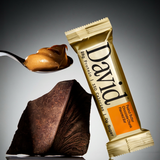
Travel days demand sustained energy and convenient nutrition. David's high-protein shakes and bars are here to keep you going and get your protein in during those long days. It's easy to grab one during connections, layovers, and delays. Try tossing one of our best-selling bars in your carry-on or purse.
Back-to-back meeting day
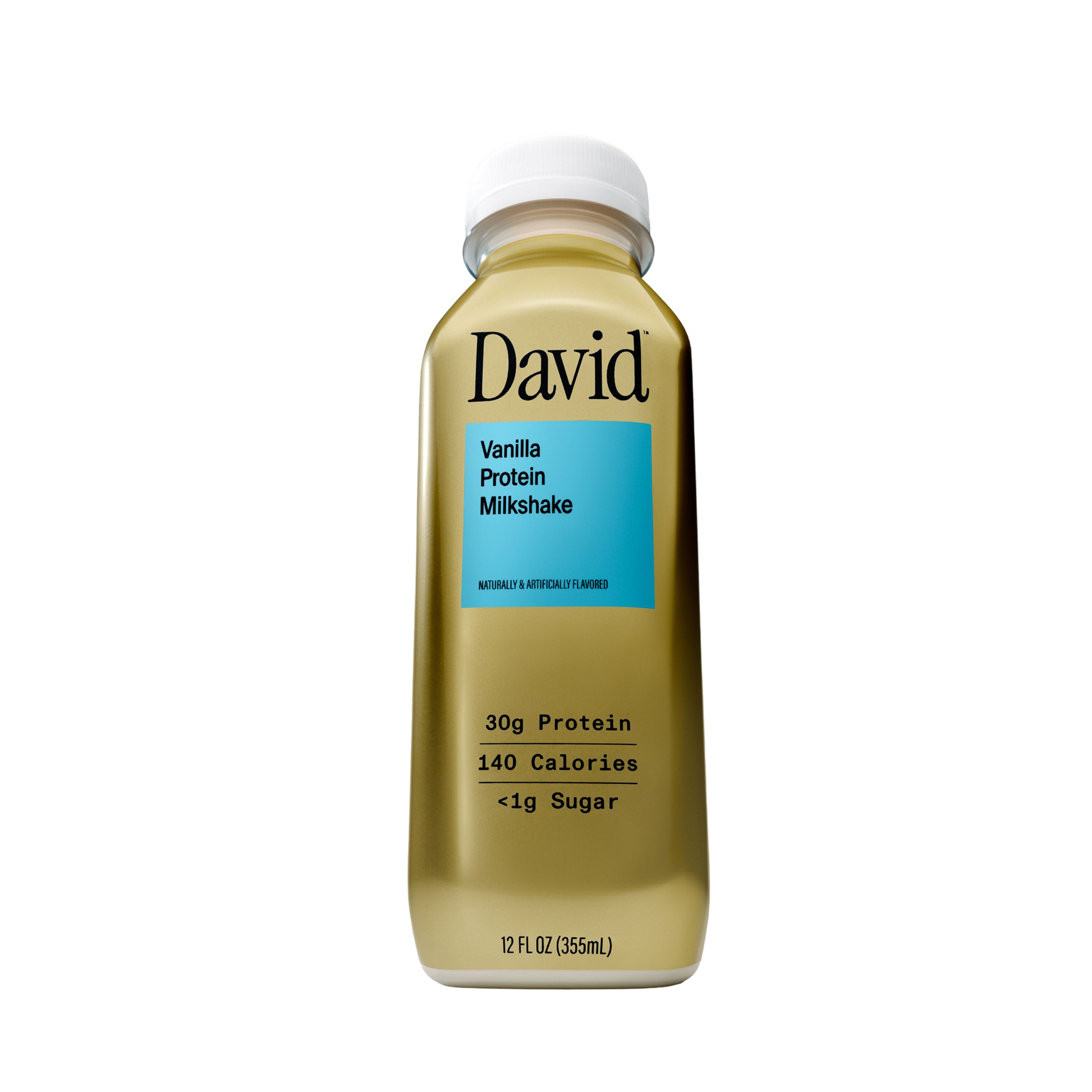
When there is no time for a real break, a David Gold bar or David Shake with a cheese stick or Greek yogurt between meetings is a great way to tide you over until your next meal. Pair it with prepped snacks: dried fruit, fresh fruit (apple or grapes), and/or veggies (carrots or celery). It's quick to assemble and can help you stay on track through a busy day.
The day's protein and nutrition shouldn’t depend on catching up in one sitting, late at night. Spreading protein across the day may support muscle protein synthesis.
5 reasons why people don’t hit their protein goals
The following five patterns account for most daily protein shortfalls, and each has a straightforward fix. Protein intake on some days might be slightly over or under the target, but the most important thing is consistency.
Under-loading breakfast
For most Western diets, breakfast is the meal most likely to be low in protein because they usually consist of toast, fruit, or a small yogurt, which might only have 10–12g of protein. Aim for 25–30g: Eggs, cottage cheese, a smoothie with protein powder, or Greek yogurt make this achievable without cooking anything elaborate.
Relying on dinner to close the gap
Trying to get 60–70g of protein in a single evening meal is both impractical and potentially unpleasant. If the bulk of protein comes with dinner, the rest of the day needs to be restructured.
Underestimating snack protein
A handful of nuts or a piece of fruit provides lots of micronutrients but contributes almost no protein. Snacks should be high in protein if aiming to increase protein intake, targeting 15–20g.
Not planning for disrupted days
Be prepared for travel, long meetings, and schedule changes. Having one portable, no-prep protein option available at all times prevents a disrupted day from becoming a low-protein day.
Overcomplicating the food selection
Consistency is the goal. Rotating through a few reliable protein options is more sustainable than attempting a new high-protein recipe every day.
100g of daily protein is possible with a plan
The strategy is straightforward: Anchor each meal to a protein source, distribute intake across the day, and remove as many decisions as possible. For days when the routine gets disrupted, an efficient option like a David Gold bar can close the gap without adding friction. Build the system. Hit the number.
High-protein meal plan to help you get at least 100g daily
Here is a day-by-day plan, centering your diet around high-protein, high-fiber meals. Fiber gives the plate its structure. Protein gives it purpose. Each day targets approximately 95–120g of protein, roughly 1,800 calories, and 30g of dietary fiber. Protein and calorie counts are approximate. If you want to adjust this meal plan for your individual calorie needs, feel free to add or remove snacks wherever needed.
Additionally, if you want a meal plan specifically tailored to your needs, please consider consulting a registered dietitian or a healthcare professional.
Day 1 meal plan
| Meal | Food | Protein | Calories |
|---|---|---|---|
| Breakfast | 2 large eggs (scrambled), 2 slices whole grain toast, 1 avocado, 1 medium orange | 24g | 595 |
| Lunch | 2.5 oz grilled chicken breast, 1½ cups broccoli roasted in 2 tsp olive oil, 1 cup cooked brown rice | 33g | 520 |
| Snack | 1 David Gold bar, ½ cup raspberries, ½ cup blueberries | 29g | 225 |
| Dinner | 2.5 oz 93% lean ground turkey, ½ cup black beans, 1 cup brown rice, ½ cup peppers, 2 tbsp salsa, lettuce, ½ avocado | 35g | 655 |
| Daily Total | 121g | 1,995 | |
Day 2 meal plan
| Meal | Food | Protein | Calories |
|---|---|---|---|
| Breakfast | 6 oz plain 2% Greek yogurt, ½ cup granola, ½ cup raspberries, 1 tbsp almond butter | 29g | 555 |
| Lunch | 2.5 oz tuna (light, in water), 2 slices whole grain bread, ½ avocado, 2 cups mixed greens with 1 tbsp olive oil | 24g | 470 |
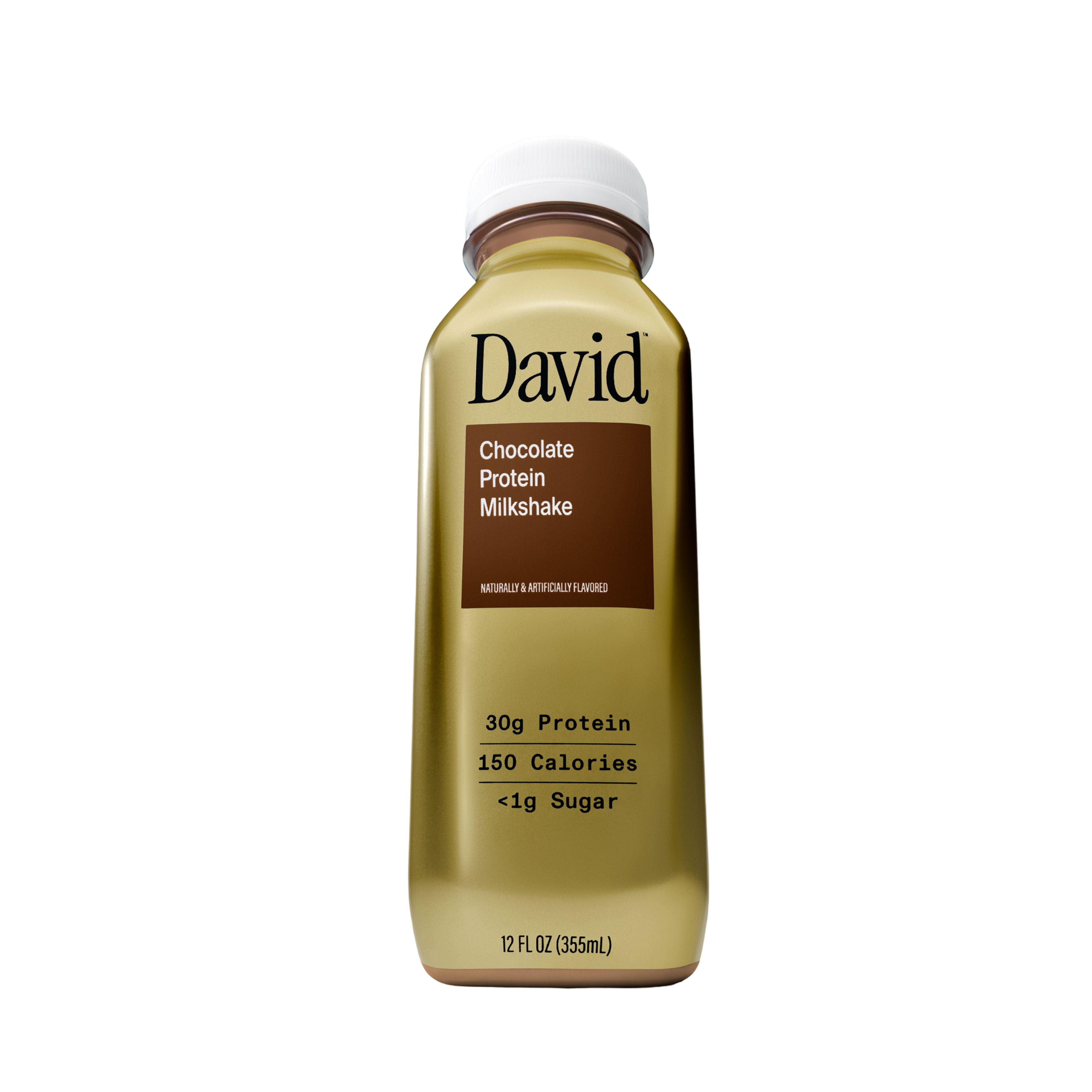
| Snack | 1 David Protein Shake (Chocolate), 1 medium apple | 30g | 245 |
| Dinner | 2.5 oz 93% lean ground turkey, ½ cup black beans, 1 cup brown rice, ½ cup peppers, 2 tbsp salsa, lettuce, ½ avocado | 35g | 655 |
| Daily Total | 118g | 1,925 | |
Day 3 meal plan
| Meal | Food | Protein | Calories |
|---|---|---|---|
| Breakfast | ¼ cup 2% cottage cheese, 1 medium peach, 1 slice whole grain toast, 2 tbsp almond butter | 18g | 385 |
| Lunch | 2.5 oz chicken breast in 1 whole wheat wrap with ½ avocado and romaine; 1 cup carrot sticks with ¼ cup hummus; 1 medium apple | 34g | 660 |
| Snack | 1 David Gold bar, 1 medium orange | 29g | 215 |
| Dinner | 2.5 oz shrimp, 1 cup mixed vegetables, ½ cup broccoli, stir-fried in 1 tbsp olive oil, 1½ cups brown rice | 32g | 695 |
| Daily Total | 113g | 1,955 | |
Day 4 meal plan
| Meal | Food | Protein | Calories |
|---|---|---|---|
| Breakfast | 2 eggs with ½ oz cheddar and ½ cup veggies cooked in 1 tsp olive oil, 1 slice whole-grain toast, ½ avocado, ½ cup blueberries | 23g | 500 |
| Lunch | Sandwich with 2 oz turkey breast, ½ avocado, and 2 slices whole-grain bread; lentil salad with ½ cup lentils, ½ cup cucumber, and 2 tsp olive oil | 35g | 560 |
| Snack | 6 oz fat-free Greek yogurt, 1 medium pear | 18g | 205 |
| Dinner | 2.5 oz 95% lean beef patty on a whole grain bun, 2 cups mixed greens with 1 tbsp olive oil, 1½ medium roasted sweet potatoes | 28g | 525 |
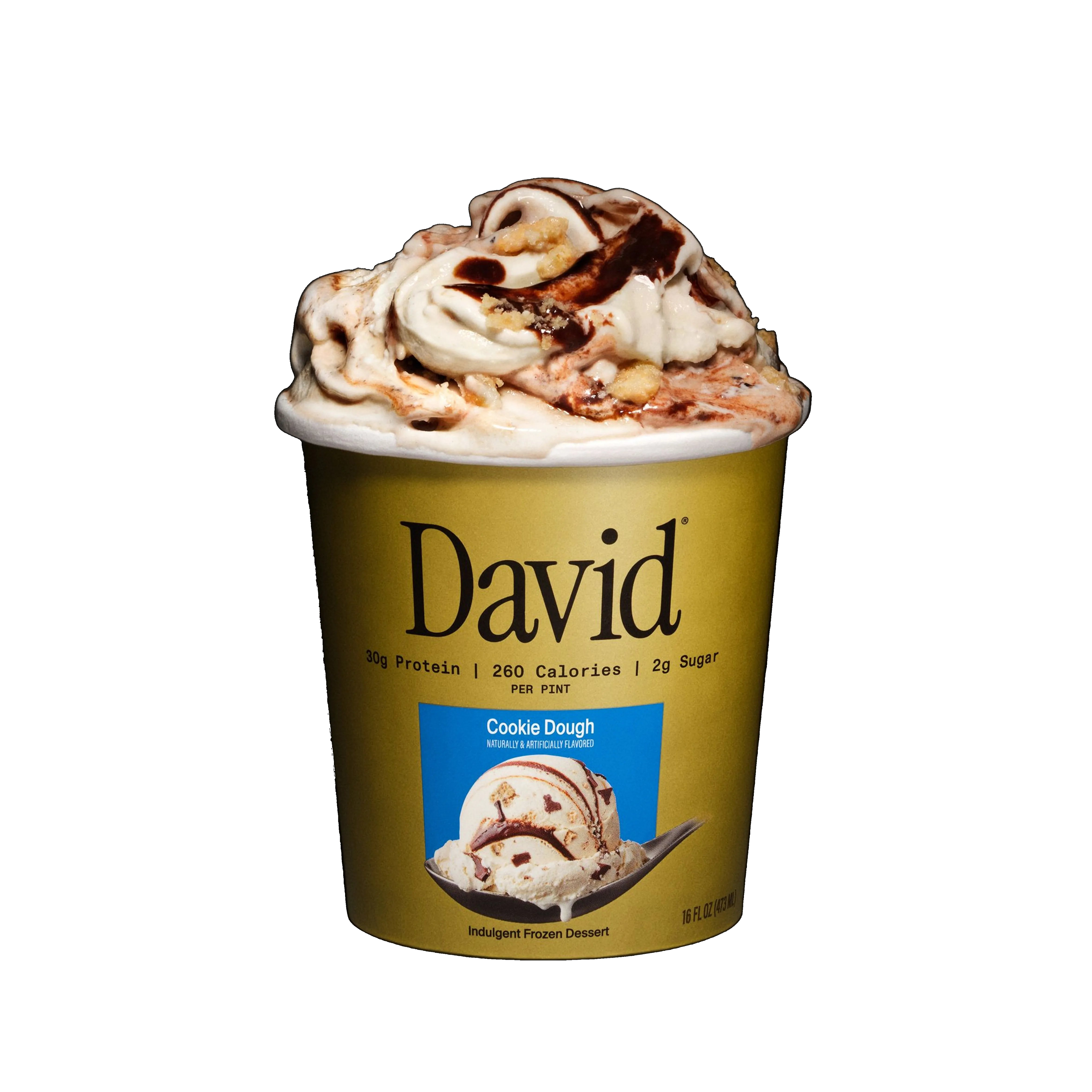
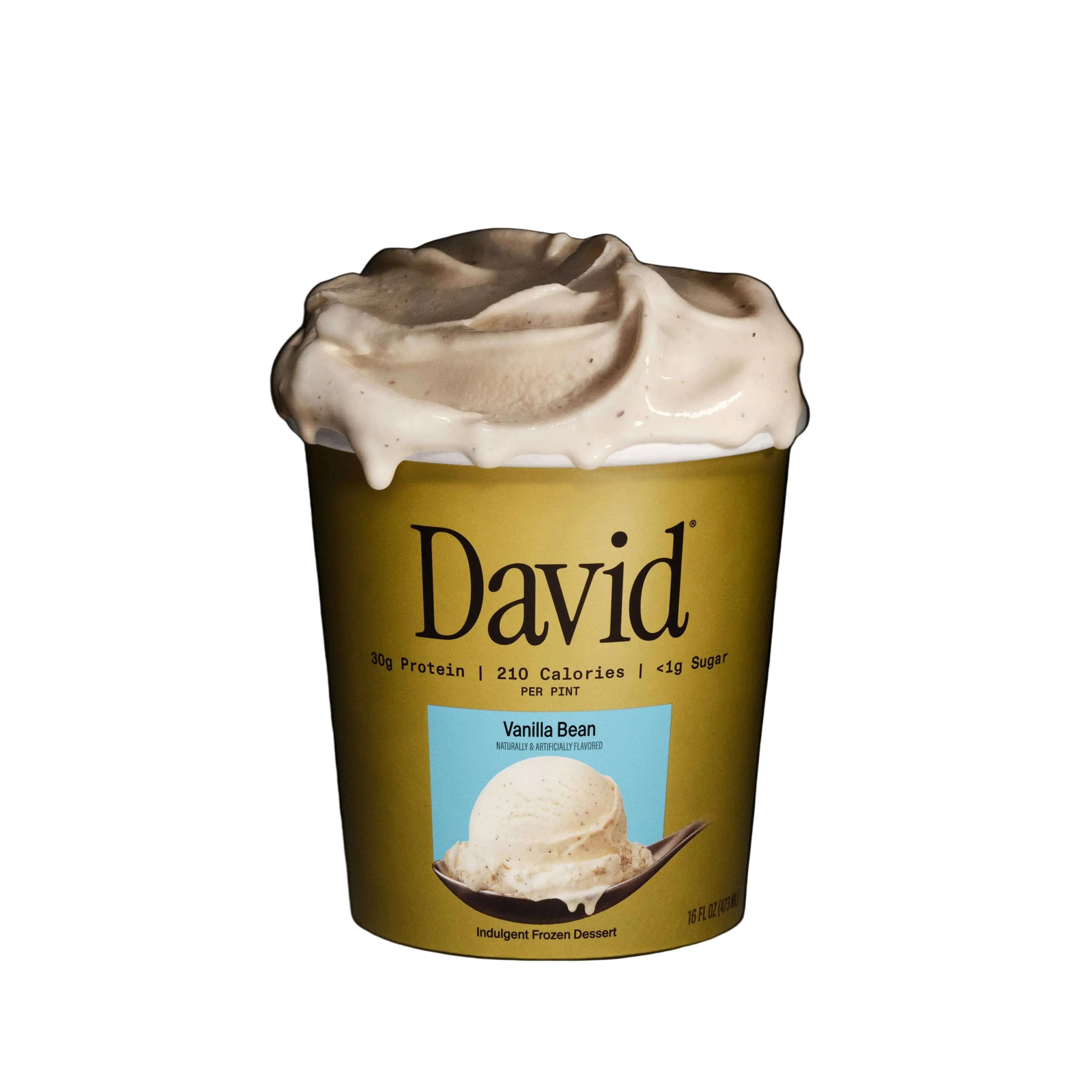
| Dessert | ⅔ cup David Frozen Dessert, Vanilla Bean | 10g | 70 |
| Daily Total | 114g | 1,860 | |
Day 5 meal plan
| Meal | Food | Protein | Calories |
|---|---|---|---|
| Breakfast | Blend 6 oz Greek yogurt, ½ banana, 1 tbsp PB, oat milk. Enjoy with ½ cup granola and ½ cup berries on the side | 32g | 720 |
| Lunch | 2 oz turkey breast, 1 cup quinoa, 1 cup roasted veggies with 1 tbsp olive oil | 26g | 460 |
| Snack | 6 oz fat-free Greek yogurt, 1 medium orange | 18g | 165 |
| Dinner | 2.5 oz salmon, ¼ cup lentils, 1 tbsp garlic butter, 1 cup asparagus, 1 medium sweet potato | 27g | 450 |
| Dessert | ⅔ cup David Frozen Dessert, Triple Chocolate | 10g | 87 |
| Daily Total | 113g | 1,882 | |
Day 6 meal plan
| Meal | Food | Protein | Calories |
|---|---|---|---|
| Breakfast | ½ cup 2% cottage cheese, 1 cup raspberries, ½ banana, 1 tbsp maple syrup, 1 tbsp almond butter | 17g | 360 |
| Lunch | 2.5 oz skinless chicken thigh, 1 cup sweet potato, 1 cup kale, 2 tsp olive oil | 25g | 435 |
| Snack | 1 David Protein Shake (Chocolate), 1 medium apple, 1 tbsp almond butter | 34g | 345 |
| Dinner | 2.5 oz sirloin, 2 whole wheat tortillas, ½ cup black beans, peppers and onions sautéed in 1 tsp olive oil, ½ avocado | 40g | 715 |
| Daily Total | 116g | 1,855 | |
Day 7 meal plan
| Meal | Food | Protein | Calories |
|---|---|---|---|
| Breakfast | 2 eggs, 1 whole wheat English muffin, 1 avocado, 1 medium orange | 22g | 570 |
| Lunch | 2.5 oz tuna, ½ cup chickpeas, 2 cups mixed greens with 1 tbsp olive oil, 2 rice cakes, 1 medium apple | 24g | 490 |
| Snack | 1 David Gold bar, ½ cup blackberries, ½ cup blueberries | 30g | 225 |
| Dinner | 2.5 oz chicken breast, 1½ cups whole wheat pasta, ⅓ cup marinara, 1 tbsp olive oil, 1 cup steamed broccoli | 40g | 650 |
| Daily Total | 116g | 1,935 | |
Summary
Roughly calculated, the macros, calories, and fiber add up to:
- Day 1: 1,995 calories, 121g protein, 75g fat, 208g carbs, 46g fiber
- Day 2: 1,925 calories, 118g protein, 78g fat, 201g carbs, 41g fiber
- Day 3: 1,955 calories, 113g protein, 68g fat, 243g carbs, 46g fiber
- Day 4: 1,860 calories, 114g protein, 76g fat, 193g carbs, 41g fiber
- Day 5: 1,882 calories, 113g protein, 72g fat, 212g carbs, 36g fiber
- Day 6: 1,855 calories, 116g protein, 67g fat, 214g carbs, 50g fiber
- Day 7: 1,935 calories, 116g protein, 74g fat, 230g carbs, 51g fiber
Actual values may vary depending on cooking methods, brands used, and portion precision.


