













Key takeaways
-
Proteins are built from 20 amino acids, each with distinct functions in the body. Nine of these, called essential amino acids, can't be made by the body and must come from food.
-
Complete proteins contain all nine essential amino acids in adequate amounts, whereas incomplete proteins are low in one or more of them.
-
Animal-based protein foods are generally complete proteins, while most individual plant protein foods are lower in one or more essential amino acids.
-
Incomplete proteins aren't bad for you. A diet with enough total calories and protein, plus a reasonable variety of protein foods, can still provide all the essential amino acids you need.
-
Protein quality scores like PDCAAS (Protein Digestibility-Corrected Amino Acid Score) and DIAAS (Digestible Indispensable Amino Acid Score) can help show how complete a protein is.
-
Some animal proteins, at equal doses, such as whey, produce a larger short-term muscle protein synthesis response than some plant proteins. That gap can narrow with larger doses or protein blends.
-
Muscle protein synthesis depends on your overall diet, protein per meal, age, digestibility, amino acid intake, and resistance training, not only on whether a protein source is complete.
Most nutrition labels report protein in grams. Grams of protein are an important starting point, but that does not fully describe how a food supports the body. A meal's amino-acid composition can influence the muscle-building response to an individual meal, while factors like total protein intake, protein distribution, digestibility, age, and resistance training also shape muscle maintenance, recovery, and overall health.
What is an incomplete and complete protein?
A complete protein provides all nine essential amino acids in adequate amounts, while an incomplete protein is low in one or more essential amino acids.
Proteins are made of amino acids, which are smaller molecules linked together in chains. When protein is consumed, the digestive system breaks those chains apart into individual amino acids, which the body then reassembles into the proteins it needs, including muscle tissue, enzymes, hormones, and more.
There are 20 amino acids involved in human protein synthesis. The body can make 11 of them through normal metabolic processes; these are called non-essential amino acids. The remaining nine cannot be synthesized in sufficient amounts and therefore must come from food. These are called essential amino acids.
Whether a protein source contains all nine essential amino acids in adequate amounts determines whether it is classified as complete or incomplete.
Essential vs. non-essential amino acids: what the body cannot make on its own
There are 9 essential amino acids:
- Histidine
- Isoleucine
- Leucine
- Lysine
- Methionine
- Phenylalanine
- Threonine
- Tryptophan
- Valine
All essential amino acids are needed to build new muscle protein, but some perform other functions as well. Leucine is an important signal that help stimulate muscle protein synthesis, whereas lysine is critical for tissue repair and immune function. Tryptophan is a precursor to serotonin, which is a chemical messenger that helps regulate your mood, sleep, appetite, and digestion.
Non-essential amino acids are equally important to human health. The distinction simply reflects whether the body can produce them independently. Under normal conditions, the body synthesizes non-essential amino acids in sufficient quantities. Essential amino acids must be reliably obtained through one’s diet.
What are complete proteins?
A complete protein source provides all 9 essential amino acids in quantities sufficient to support the body's needs.
Animal-based foods with a complete essential-amino-acid profile
- Meat: beef, chicken, turkey, and pork
- Fish: salmon, tuna, cod, and other seafood
- Dairy: Greek yogurt, milk, cottage cheese, and cheese
- Eggs: yolks and whites
Plant-based foods with a complete essential-amino-acid profile
- Soy: this includes edamame, tofu, and tempeh, which are among the most protein-dense plant foods
- Quinoa: a seed commonly prepared as a grain, with a complete essential amino acid profile
- Buckwheat: a seed used in soba noodles or ground into flour, and it’s naturally gluten-free
- Hempseed and chia seeds: useful high-protein additions to smoothies or salads
- Amaranth: a gluten-free grain with an amino acid profile similar to quinoa
What are incomplete proteins?
Most plant proteins contain all nine essential amino acids, but one or more is present in lower amounts than the body needs. That's why most individual plant proteins are classified as incomplete.
- Legumes: beans (black, kidney, pinto), lentils, chickpeas, and peas are generally low in methionine
- Nuts: almonds, walnuts, cashews, and peanuts are generally low in lysine
- Seeds: sunflower seeds and flaxseed are generally low in lysine
- Whole grains: brown rice, oats, barley, and whole-wheat bread are generally low in lysine
- Vegetables: leafy greens, broccoli, and peppers are generally low in methionine and lysine
So, what is collagen?
Collagen is an incomplete protein. It is an animal-derived protein and the most abundant protein in the human body, playing a structural role in skin, joints, tendons, and connective tissue. Collagen lacks one essential amino acid entirely, tryptophan, and is low in several others.
That limitation does not diminish collagen's value. Its specific benefits for joint health, skin elasticity, and connective tissue support make it a useful addition to a broader protein blend. The practical approach is to pair collagen with complete or tryptophan-rich protein sources like whey, egg white, or milk protein so that the amino acid gaps are covered and the full benefit of collagen can be realized without compromising the overall profile.
Are plant proteins bad for you?
No, plant proteins are not bad for you. Plant proteins can be part of a healthy diet. According to a review of amino-acid adequacy in vegetarian diets, all plant foods contain all nine essential amino acids. What varies is how much of each one a food provides. Grains tend to be lower in lysine and legumes in methionine, while soy has a relatively strong profile. The review's authors call the terms "complete" and "incomplete" misleading, since people rarely eat a single protein source.
Animal proteins often score higher on measures of protein quality because of their amino-acid proportions and digestibility. Some plant proteins are less digestible, partly because of a food’s structure and naturally occurring compounds. But the differences vary by food, processing method, and how digestibility is measured. A lower protein-quality score does not mean a food is bad for you or that its protein cannot contribute to your diet, as discussed in a review of protein quality and digestibility.
A review of amino-acid adequacy in vegetarian diets concludes that vegetarian and vegan diets can generally provide enough indispensable amino acids when they include sufficient energy and protein from a variety of foods. Foods with complementary amino-acid profiles, such as legumes and grains, do not need to be eaten at the same meal. For most adults, getting enough protein and eating a variety of foods over the day matters more than deliberately pairing proteins at every meal. Combining different plant proteins in a meal or protein blend can still provide a more balanced amino-acid profile.
PDCAAS and DIAAS: how protein quality is measured
Two scoring systems are used to evaluate protein quality.
- PDCAAS (Protein Digestibility Corrected Amino Acid Score) measures how well a protein's amino acid profile meets human requirements after adjusting for digestibility.
- DIAAS (Digestible Indispensable Amino Acid Score) is a newer metric that measures the digestibility of each individual amino acid rather than the protein as a whole.
PDCAAS assesses protein based on amino acid profile and digestibility, with the most optimal score capping at 1.0, which indicates each essential amino acid is present in sufficient quantities. DIAAS measures each amino acid's digestibility in the small intestine without capping, allowing highly digestible proteins like whey to score above 1.0. For a full breakdown of how these scores work and how to read them on a nutrition label, see our guide to protein quality.
DIAAS addresses several limitations of PDCAAS, and a 2013 Food and Agriculture Organization (FAO) expert report recommended that it replace PDCAAS. The same report found that data on amino-acid digestibility were then insufficient to apply DIAAS in practice. Additionally, DIAAS requires invasive animal studies that are expensive, operationally difficult, and can raise some ethical concerns.
Does protein completeness impact muscle synthesis?
Not necessarily. A small 2024 crossover trial adds useful context. In nine healthy middle-aged women, three diets providing 23 grams of protein per meal, from lean beef, complementary beans and whole wheat, or meals that were individually incomplete but complementary across the day, produced no significant differences in MPS after breakfast or over 24 hours.
That finding suggests a single meal does not necessarily need a conventionally “complete” protein. However, the study was small, short-term, and limited to healthy middle-aged women, so it does not prove that all plant and animal proteins have identical long-term effects on muscle mass or strength.
Essentially, meet total daily protein and indispensable-amino-acid needs, include adequate protein at meals, eat a variety of protein sources, and resistance train when appropriate.
What does a complete protein mean for you?
Understanding the complete vs. incomplete distinction changes how a protein source should be evaluated. Gram count alone is an incomplete picture when directly comparing different foods. Amino acid profile, digestibility, and source quality determine what those grams actually do.
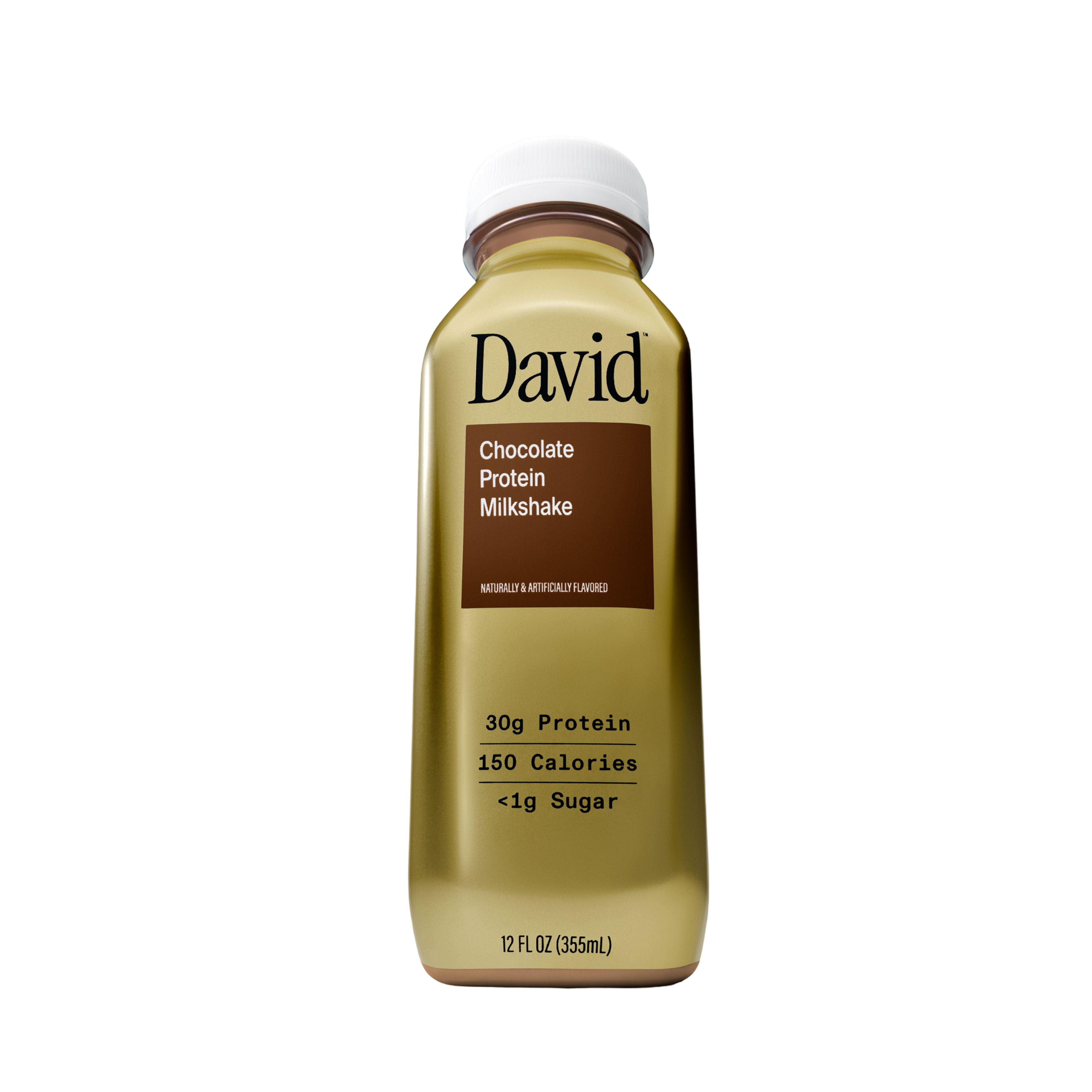
David's high-protein shakes are made with ultra-filtered milk, concentrated to deliver more protein and less sugar than a standard glass of milk. Each 12 oz bottle delivers 30g of protein with a complete profile of all nine essential amino acids and less than 1g of sugar. Our high-protein shakes deliver both high-quality and complete protein.


