
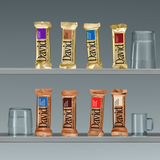
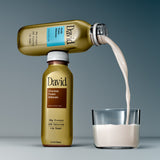













A low-calorie breakfast that keeps you full pairs about 25 to 35g of protein with fiber and food volume, usually for 250 to 400 calories.
This guide explains why that combination works, sets clear calorie and protein targets, and covers 9 high-protein breakfast ideas that meet them:
- Black bean breakfast scramble: 350 calories, 35g protein, 11g fiber
- Egg white breakfast tacos: 335 calories, 27g protein, 6g fiber
- Smoked salmon toast: 355 calories, 31g protein, 8g fiber
- Cottage cheese blackberry bowl: 320 calories, 33g protein, 14g fiber
- High-protein overnight oats: 340 calories, 28g protein, 10g fiber
- Pumpkin egg white oatmeal: 310 calories, 31g protein, 8g fiber
- Turkey and vegetable egg muffins: 275 calories, 29g protein, 6g fiber
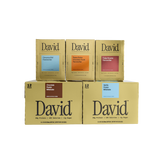
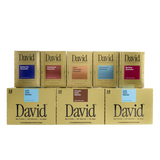
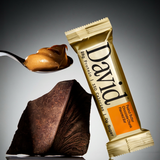
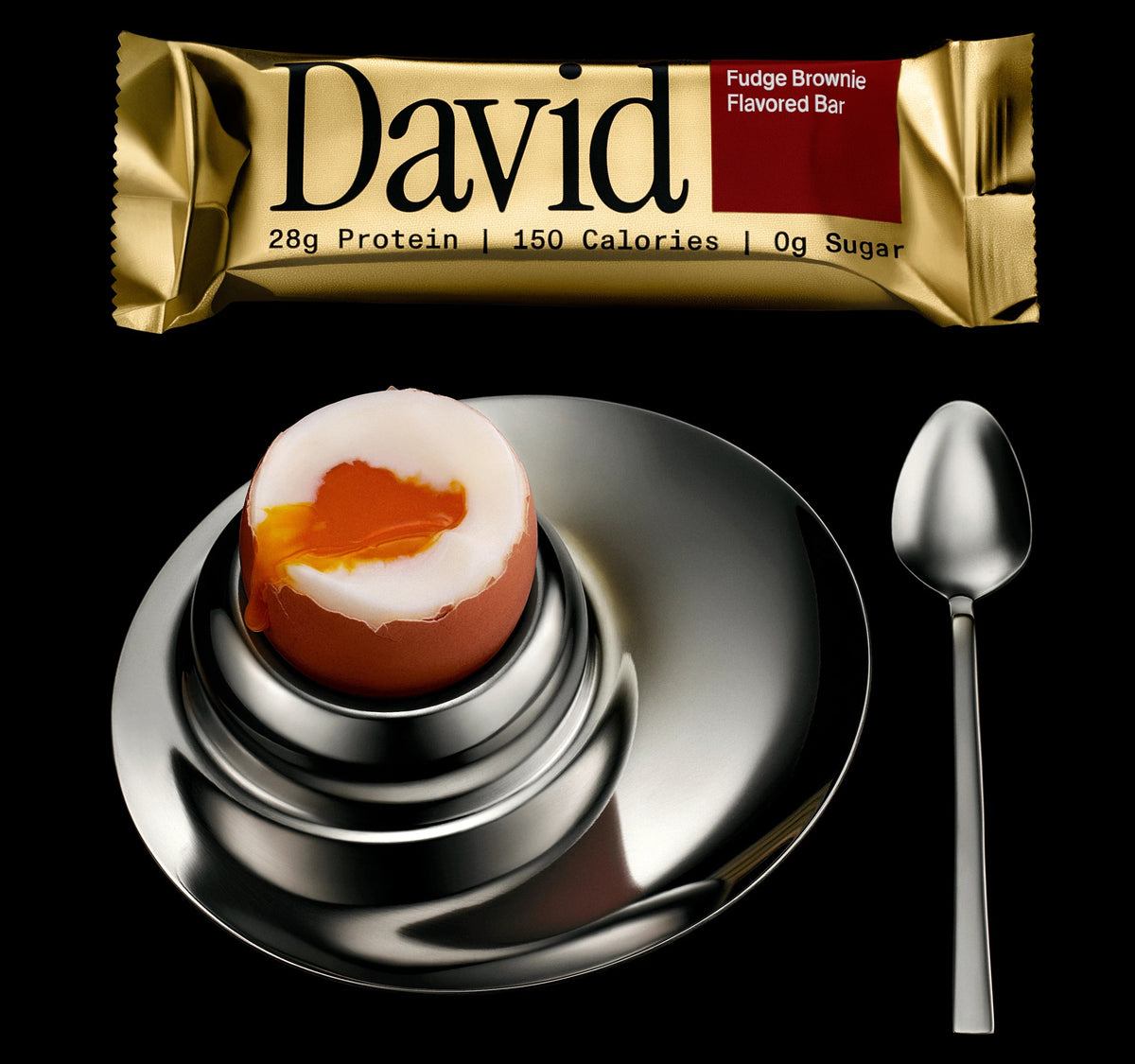
- David Gold bar, pear, and almonds: 320 calories, 31g protein, 8g fiber
- Raspberry protein smoothie: 305 calories, 30g protein, 10g fiber
What are the benefits of a high-protein, high-fiber breakfast?
Protein and fiber are the two nutrients most closely tied to staying full. Protein takes longer to digest than refined carbohydrates, and fiber adds bulk and slows the rate at which food leaves the stomach.
It’s easy to overlook protein at breakfast. Many typical morning foods, like bagels, muffins, and sweetened cereals, deliver mostly carbohydrates with little protein or fiber. Shifting that balance can make breakfast more filling and keep you satiated for longer.
How does protein affect hunger hormones?
Eating protein signals the gut to release satiety hormones, which tell the brain that the body has eaten enough. Two of the most studied are peptide YY (PYY) and glucagon-like peptide-1 (GLP-1).
A high-protein breakfast can also steady blood sugar later in the day. In a randomized crossover study of 12 healthy young adults (mostly women), a high-protein breakfast reduced blood glucose spikes after breakfast, lunch, and dinner. When participants skipped lunch, the benefit at dinner disappeared, which suggests that a meal between breakfast and dinner, even a small one, helps maintain the effect. Keep in mind, this is a relatively small, short-term study in healthy people, so the findings can’t necessarily be applied to all groups.
Can protein trigger natural GLP-1 on its own?
GLP-1 is the hormone that medications such as semaglutide are designed to mimic. The body already produces it after meals, and protein is a potent trigger.
A 2025 study in the European Journal of Nutrition recruited twelve low-to-moderately active younger adults not living with obesity and a sub-group of six older adults. The researchers compared three breakfasts: a plant-based drink with 30g of protein, an animal-based meal with 30g of protein, and a high-carbohydrate meal with 10g of protein. Both high-protein breakfasts raised GLP-1 and PYY levels more than the carbohydrate-based meal and reduced self-rated hunger. Plant and animal protein performed about the same.
A high-protein breakfast is not a substitute for GLP-1 medication, but it can make use of the body's own fullness signals.
How does fiber add staying power?
Soluble fiber (found in foods like oats, chia seeds, flaxseed, and beans) is a type of nondigestible carbohydrate that dissolves in water and digestive fluids to form a gel-like substance in the stomach. That slows digestion and is linked to greater feelings of fullness. Fruits and vegetables add fiber along with water and volume, so a plate looks and feels larger without adding significant calories.
Which 9 high-protein breakfast ideas under 360 calories should you try?
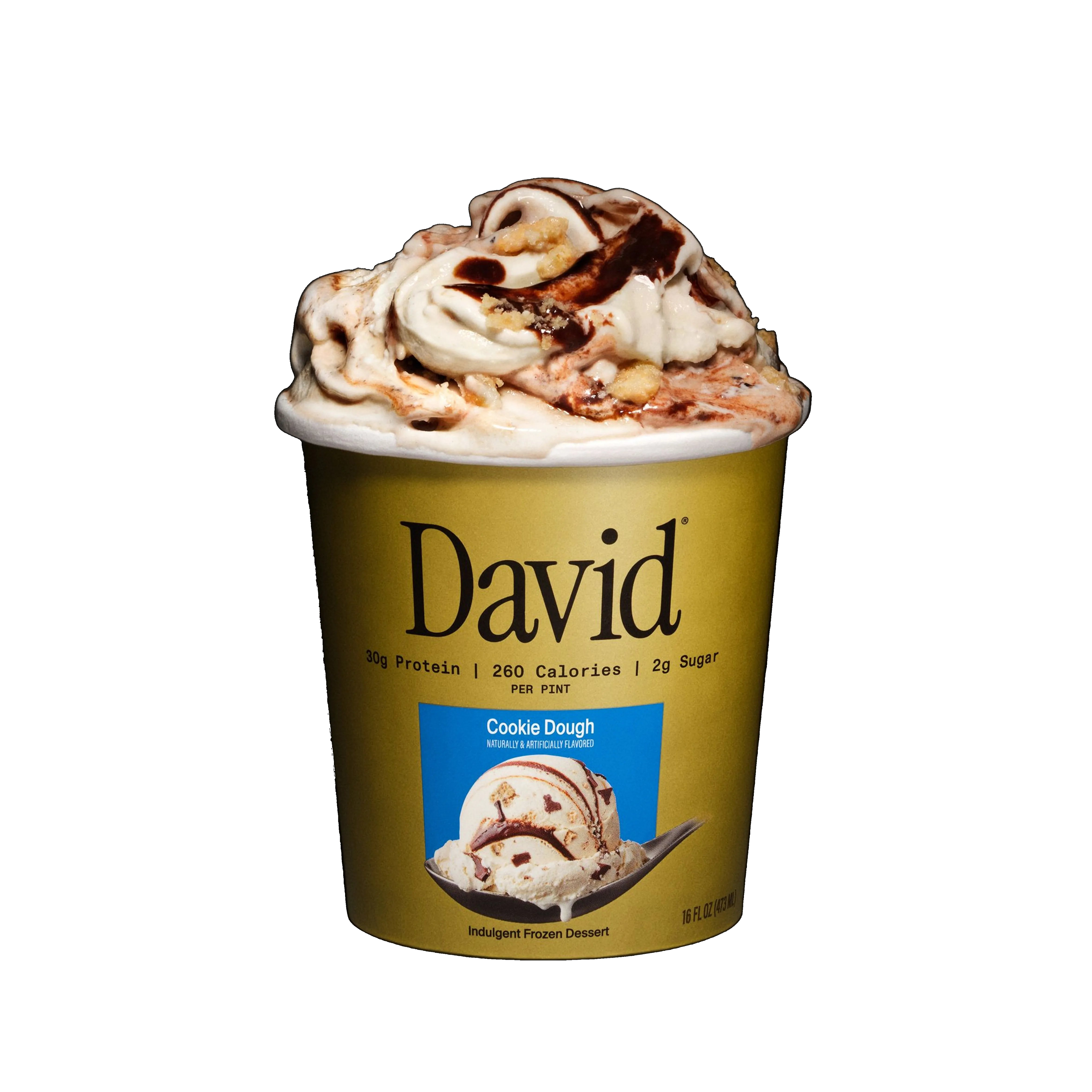
Macros are calculated from USDA FoodData Central values and David nutrition labels, then rounded. Brands vary, so check labels when substituting.
1. Black bean breakfast scramble
(350 calories, 35g protein, 29g carbs, 11g fiber, 10g fat): 1 large egg, 3/4 cup liquid egg whites, 1 cup spinach, 1/2 cup canned black beans (rinsed), 1/4 cup salsa, cooked in a nonstick pan with cooking spray. Add 2 tbsp mashed avocado.
2. Egg white breakfast tacos
(335 calories, 27g protein, 34g carbs, 6g fiber, 10g fat): 1 large egg and 1/2 cup liquid egg whites scrambled with 1/2 cup diced bell pepper, served in 2 warmed 6-inch corn tortillas with 2 tbsp shredded part-skim mozzarella and 1/4 cup salsa.
3. Smoked salmon toast
(355 calories, 31g protein, 45g carbs, 8g fiber, 7g fat): 2 slices whole-wheat bread, 1/4 cup nonfat plain Greek yogurt mixed with dill and lemon juice, 3 oz smoked salmon, 1/2 cup sliced cucumber, and 1 tsp capers, with 1 cup sliced strawberries on the side.
4. Cottage cheese blackberry bowl
(320 calories, 33g protein, 27g carbs, 14g fiber, 10g fat): 1 cup 1% cottage cheese topped with 1 cup blackberries, 1 tbsp chia seeds, 1 tbsp ground flaxseed, and cinnamon.
5. High-protein overnight oats
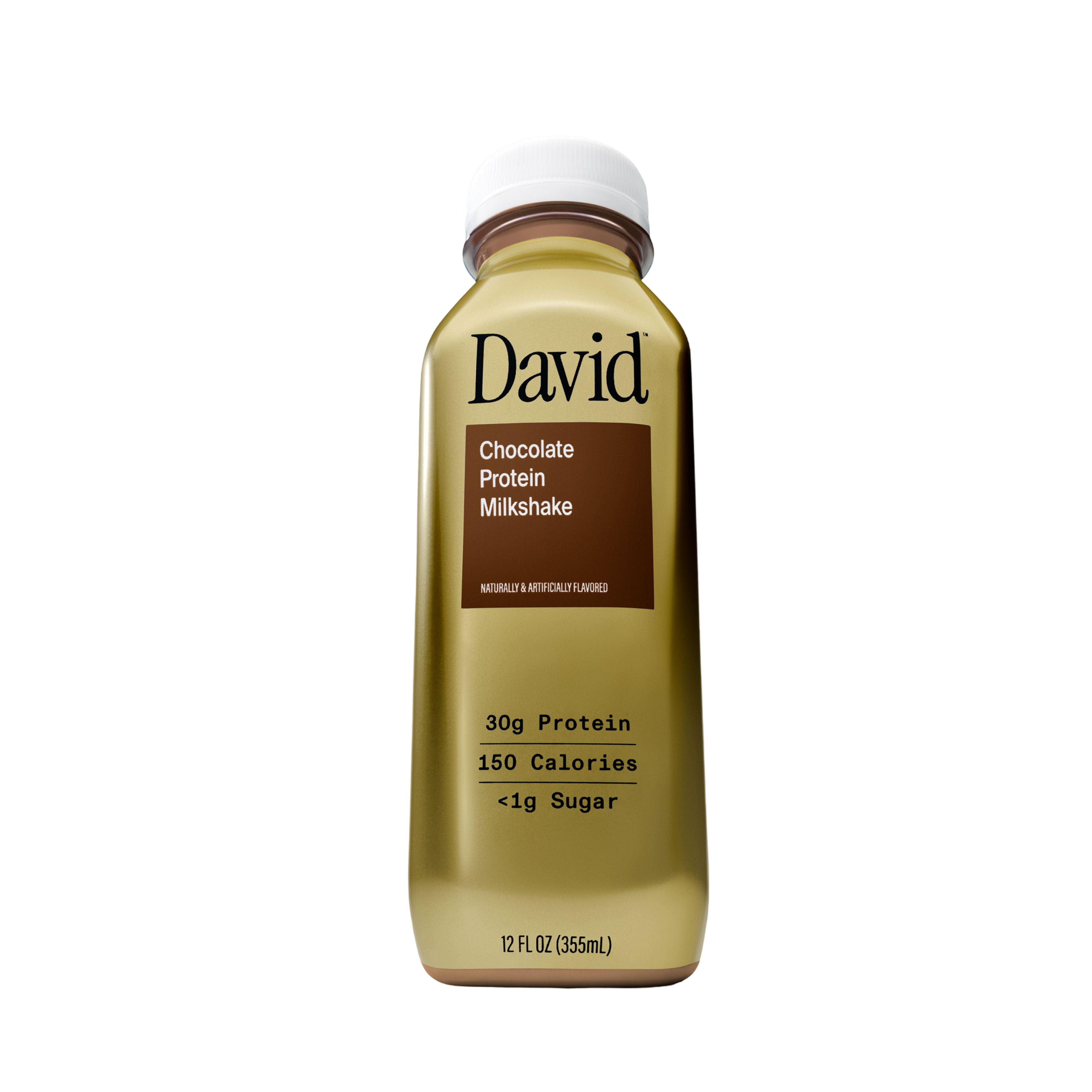
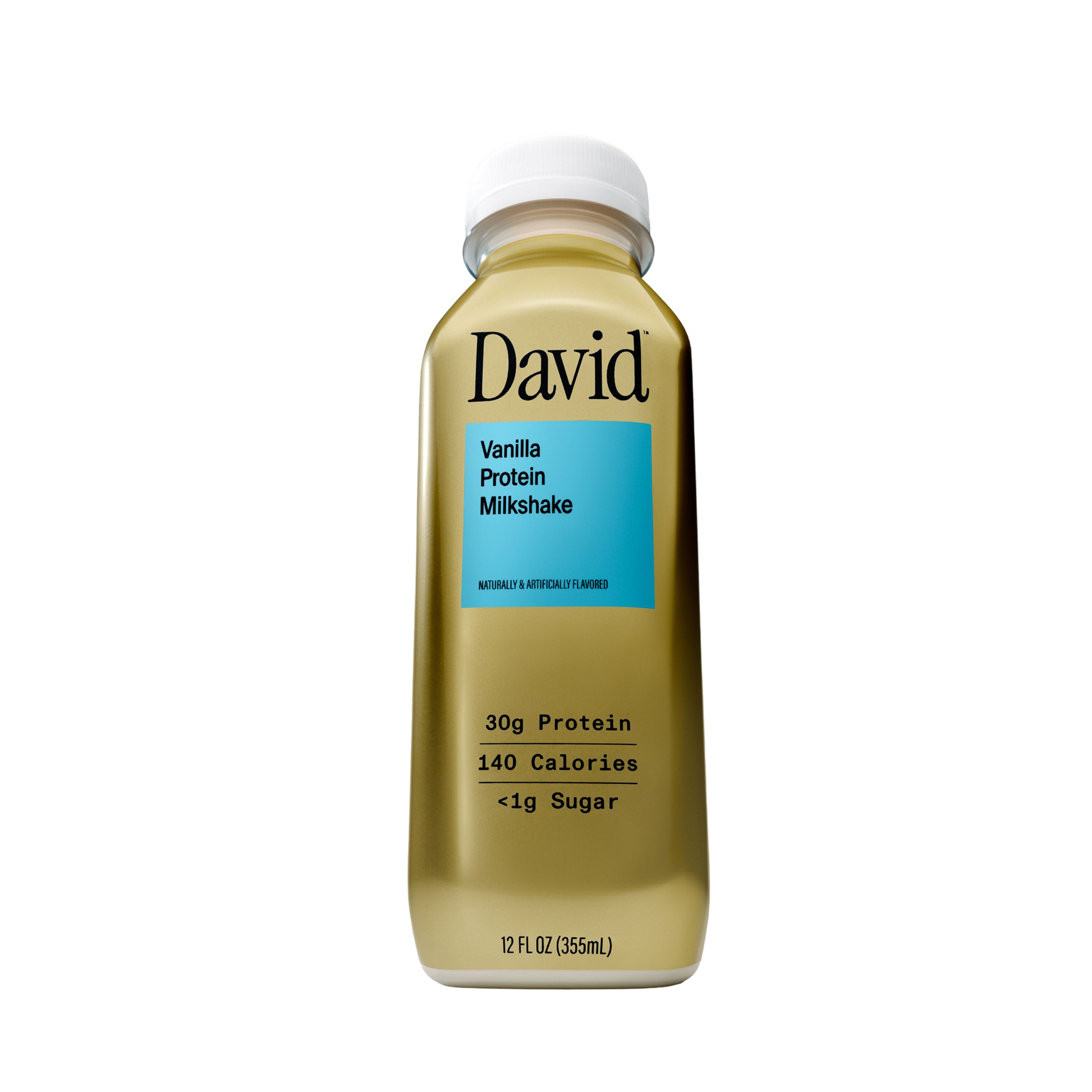
(340 calories, 28g protein, 36g carbs, 10g fiber, 10g fat): 1/2 cup rolled oats, 1 cup (about two-thirds of a bottle) David vanilla protein shake, 1 tbsp chia seeds, 1 tbsp ground flaxseed, and cinnamon, refrigerated overnight.
6. Pumpkin egg white oatmeal
(310 calories, 31g protein, 35g carbs, 8g fiber, 6g fat): 1/3 cup rolled oats cooked in 1/2 cup water, with 1/2 cup liquid egg whites whisked in during the last 2 minutes, 1/2 cup canned pumpkin, 1 tbsp ground flaxseed, and pumpkin pie spice, topped with 1/2 cup nonfat plain Greek yogurt.
7. Turkey and vegetable egg muffins
(275 calories, 29g protein, 26g carbs, 6g fiber, 7g fat), per serving of 3 muffins: 1 large egg, 1/4 cup liquid egg whites, 2 oz 99% lean ground turkey (browned first), 1/2 cup chopped broccoli, and 1/4 cup diced bell pepper, divided among 3 muffin cups and baked at 350°F for about 20 minutes. Serve with 2 kiwis.
8. David Gold bar, pear, and almonds
(320 calories, 31g protein, 42g carbs, 8g fiber, 9g fat): 1 David Gold bar, 1 medium pear, and 10 almonds.
9. Raspberry protein smoothie
(305 calories, 30g protein, 27g carbs, 10g fiber, 10g fat): 3/4 cup nonfat plain Greek yogurt, 1 cup unsweetened soy milk, 1 cup frozen raspberries, 1 cup spinach, and 1 tbsp hemp hearts, blended.
Is skipping breakfast bad for you?
Breakfast is not required for every healthy adult, but skipping it offers no clear benefit, as people may make up the calories later in the day. Regular endurance exercisers and people who tend to overeat later in the day are the most likely to benefit from a planned, high-protein breakfast.
A 2025 review in Nutrients examined how eating or skipping breakfast affects training amongst endurance athletes, finding that the benefits depend largely on the circumstances. Eating breakfast appeared to improve performance during morning endurance sessions lasting longer than 60 minutes, with no clear effect on shorter sessions. Skipping breakfast also consistently impaired evening time trial performance, even when participants resumed eating at midday. Meanwhile, researchers found no significant differences in body composition. Any favorable changes were associated with overall calorie intake, not breakfast intake.
A 2024 study in BMC Psychiatry analyzed genetic data from European populations and found that breakfast skipping was associated with a higher risk of attention deficit hyperactivity disorder (ADHD) and major depressive disorder (MDD). The same analysis linked skipping breakfast to lower cognitive performance and greater frailty.
These findings point to a consistent pattern, but they only display correlation and do not show that skipping breakfast will cause these outcomes in any one person.
Ultimately, the researchers concluded that there's no one-size-fits-all approach: Depending on the individual, activity, and desired outcome, eating breakfast may help, impede, or make no meaningful difference.
What foods keep you full?
There are two main factors that affect satiety the most: protein and fiber.
How does protein keep you full?
A review in the American Journal of Clinical Nutrition found that higher-protein meals have a modest satiety effect, including greater fullness and higher levels of satiety hormones such as GLP-1 and PYY.
Protein also has a higher thermic effect than carbohydrates or fat, meaning roughly 20 to 30% of protein calories are used in digestion, compared to 5 to 10% for carbohydrates and 0 to 3% for fat. The satiety effect of protein is real, though the review notes it does not reliably reduce total daily calorie intake on its own. It is a useful input, not a complete solution.
The 2025–2030 Dietary Guidelines for Americans support a protein target of 1.2 to 1.6 grams per kilogram of body weight per day for active adults. For a 150-pound adult, that is approximately 82 to 109 grams per day.
A David Gold bar delivers 28 grams of protein in 150 calories, making it a practical snack option when the goal is to close a gap in the day without significant caloric load.
How does fiber keep you full?
A systematic review in Obesity Reviews found that viscous fibers (including pectins, beta-glucans, and guar gum) reduced appetite in 59% of comparisons, compared to 14% for less viscous fiber types.
Overall effects on energy intake and body weight were relatively small, and a separate review in the Journal of the American College of Nutrition noted that most fiber types did not raise fullness in short-term studies.
What is the formula for a filling breakfast?
As a rule of thumb, a filling, low-calorie breakfast typically combines 25 to 35g of protein, several grams of fiber, and enough food volume to feel like a meal, usually within 250 to 400 calories. Protein raises the body's own fullness hormones, and soluble fiber slows down digestion.
Eggs, cottage cheese, Greek yogurt, beans, oats, seeds, and berries cover most of the work. For mornings without time to cook, a David Gold bar or David protein shake paired with fruit fits the same targets.


