












Key takeaways
-
Look beyond the “processed” label. NOVA describes how a food was made, not how nutritious it is.
-
Ask “what problem am I trying to solve?” before deciding whether a processed food fits your diet.
-
Use processed foods like protein bars, protein shakes, protein powders, and Greek yogurt as tools to add nutrients you want more of, such as protein.
-
Build your diet around nutrient-dense, minimally processed foods, and let processed foods add on rather than replace them.
What are processed foods?
The phrase “processed foods” is one of the most widely used but loosely defined terms in nutrition. Processed foods can include pretty much anything from applesauce to a protein bar to a bag of chips. Since there is such a wide variety of foods under the processed umbrella, it is important to try to understand what makes a food processed, and how that actually affects health.
Should processed foods be avoided entirely, or can they be healthy? In the sea of information online, you’ve probably found yourself asking these questions.
A “processed food” is simply a food item that has gone through some sort of modification to get to where it is now. Grinding, dehydrating, adding or removing ingredients are examples of processing. Many of the foods we eat undergo some level of processing, so scientists have tried to classify them more specifically using a classification system called NOVA. It has recently become the most commonly used system in ultra-processed food research, was used to build dietary guideline recommendations in Latin America, and has been used by the French government to help identify ways to achieve its goal of reducing ultra-processed food consumption by 20% (Braesco et al., 2022).
What is NOVA classification?
| Groups | Examples |
|---|---|
| Group 1 Unprocessed or Minimally Processed Foods: Naturally occurring foods with no added salt, sugar, oils, or fats, or foods that have undergone minimal processing like dehydrating or drying. | Milk, meat, eggs, fish, poultry, plain unsweetened yogurt, beans, fresh, frozen, or dried fruits and vegetables, oats, grits, rice. |
| Group 2 Processed Culinary Ingredients: Food products from Group 1 that have been processed by pressing, refining, grinding and/or milling; they are used in home and restaurant kitchens to prepare, season and cook Group 1 foods. | Vegetable oils, butter, vinegar. Salt, sugar and molasses from cane or beet, honey extracted from combs and syrup from maple trees. |
| Group 3 Processed Foods: Food products made by adding sugar, oil and/or salt to create simple products from Group 1 foods with increased shelf life or enhanced taste. | Canned vegetables, fruits, and beans; some salted or sugared nuts and seeds; salted, cured, or smoked meats; canned fish; fruits in syrup; cheese and freshly made bread. |
| Group 4 Ultra-Processed Foods: Industrially formulated food products that often contain ingredients not commonly used in home cooking, such as protein isolates, maltodextrin, high-fructose corn syrup, flavorings, non-sugar sweeteners, emulsifiers, stabilizers, and other additives used to improve taste, texture, shelf life, or convenience. They may also contain ingredients from Group 2. | Many commercially produced breads, rolls, cakes, cookies, donuts, breakfast cereals, packaged vegan burgers, certain flavored yogurts, ready-to-heat meals such as frozen pizzas, soft drinks, and candy. |
Can I actually use NOVA?
To test how good the NOVA scale is at planning a healthy diet, a study published in the Journal of Nutrition planned a week-long, 2,000-calorie diet based on the 2020-2025 Dietary Guidelines for Americans recommendations. The catch was that 91% of the calories came from foods classified as ultra-processed (UPF) according to NOVA. The results found that the diet had a Healthy Eating Index (HEI) score, which measures diet quality and adherence to the Dietary Guidelines for Americans, of 86 out of 100, which is much higher than the American average of 58 out of 100 (Hess, et al., 2023). That means even a high-UPF menu can score highly on commonly used nutrient/diet quality measuring tools. This data shows that the NOVA classification in isolation does not by itself tell you all you need to know about the nutritional quality of a food.
Despite both being a group 4 ultra-processed food:
- Hummus made with stabilizer ≠ donut
- Fortified breakfast cereal ≠ candy
While the NOVA scale adds much-needed nuance to the conversation around processed foods, it doesn’t provide much guidance on how to tailor your own nutritional approach. Despite there being guidelines for each group, there is still a lot of wiggle room.
For example, a protein bar could be classified as ultra-processed because it includes artificial sweeteners and ingredients used in industrial food production, but for someone who is struggling to eat enough protein, the bar becomes a very helpful tool. Someone avoiding anything in the “processed foods” category would need to cut out canned fruits and vegetables, which, in a world where 88% of U.S. adults are not meeting fruit recommendations and 90% do not meet vegetable recommendations in their diet (Lee et al., 2022), is probably not a great idea.
The degree of processing does not perfectly predict how nutritious something is. In fact, many foods are processed to be more nutritious, such as fortified milks and cereal grains. Rather than trying to follow a binary guideline and assigning foods a “yes” or a “no” within your diet, it’s important to understand how certain foods can bring you closer to or further away from your goals, and plan accordingly.
Are ultra-processed foods good for you?
Diets highest in minimally processed, nutrient-dense foods that largely limit UPFs are associated with better health outcomes (Lane et al., 2024), but processed, and even ultra-processed, foods do absolutely serve a purpose in a diet.
It can be useful to use a framework to add context when making dietary decisions. One practical way to think about them is like this:
-
Type 1: Convenience-first: Foods that make just eating a meal or snack easier by removing time or cooking skill from the equation.
- Example: instant ramen, snack cakes, protein bars, and protein shakes
-
Type 2: Replacement: Processed alternative versions of foods you want to avoid.
- Example: vegan burger patties
-
Type 3: Enhancement: Processed items adding something beneficial that would increase the consumption of a certain macronutrients and micronutrients in your diet.
- Example: protein powders/bars
-
Type 4: Accessory: Processed additions to meals that add flavor, texture, or new sensations.
- Example: dressings, sauces
-
Type 5: Indulgence: Processed foods that satisfy cravings and are meant mainly for enjoyment.
- Example: candies, Rice Krispies Treats, pretzels, drinks with added sugar
By applying a new framework, you can look at these foods through a different lens, though there is still nuance to consider. The same foods from the “indulgence” category that are meant to satisfy cravings and bring enjoyment, and some of the same foods can also be used as pre-workout nutrition for an active person. A plant-based meat alternative from the replacement category might be more processed than its animal-based counterpart, but could have an even better macro-, micronutrient, and calorie profile than the original thing. A protein shake from the “enhancement” category may be processed, but could be the difference between someone hitting their daily protein goal or not. Context matters when looking at each type of processed food.
Within each category, there may be similar food items that provide different nutritional values as well. I’m sure you’ve been searching for a protein bar in the grocery store and found two that are the same size, yet one was 200 calories, and the other was 400. How can that be? Each item is designed for a different purpose and a different audience. One might be a meal replacement, while another is simply a tool for helping you get more protein in with as few calories as possible.
How do you actually know if a processed food is right for you?
Hopefully at this point your mindset about processed foods has shifted from “avoid at all costs” to “probably best to limit the most processed foods when I can, but how can I use the ones that are designed to make nutrition easier for me?”
One of the main issues with ultra-processed foods is how much we eat of them. We know that eating too many of them consistently over time can make it easier to consume excess calories, which can contribute to overweight and obesity (Hall et al., 2019). This could in part be because, in general, the most highly processed foods tend to be more energy-dense, lower in fiber, have fewer micronutrients, and can be easier to overeat than less processed foods (Martini et al., 2021). What can be a food item’s weakness can also be its strength, however. For someone who struggles to eat enough food, focusing on a whole food diet that incorporates some ultra-processed foods can make it easier for them to maintain rather than lose weight. For an athlete burning hundreds or even thousands of extra calories from their training, ultra-processed foods can provide convenient, easy-to-consume energy for performance and recovery.
On the flip side, some processed foods are aimed at the exact opposite, being as low-calorie but high-protein as possible. For someone with obesity trying to lose weight, this type of processed food is a tool in their tool belt. However, in the same way you can’t build an entire house with a single tool, processed foods also shouldn’t be your entire diet. But they can absolutely help solve specific problems.
The questions to ask are, “What problem am I trying to solve?”, and “What tools exist to solve it?” because, just as some processed foods have characteristics that make them easier to eat quickly or in large amounts, others are designed to help you along your health journey. Either way, every type of food can serve multiple purposes depending on what you need. Rather than adopting a mindset of restriction regarding all foods that have been processed, instead think of how they can be used to help you, if at all.
It’s important to note that processed foods that are designed to make nutrition easier are not meant to become the backbone of a diet; they are instead meant to enhance or add on. For most people, a healthy diet will generally be built around whole foods (Lane et al., 2024). This is because many whole foods tend to, at a baseline, be nutrient-dense, less energy-dense, higher in fiber (if from plants), and more satiating. At a population level, this means it’s easier to get the nutrients you need without overeating calories. When the foundation of the diet is grounded in whole foods, processed foods can be a helpful addition that adds on (protein, individual nutrients, calories). Don’t get it twisted, no one is recommending you eat only protein bars and potato chips, but when the groundwork of a healthy diet is in place, they can certainly be a part of a healthy diet, or enhance it.
What are the best processed foods for high-protein diets?
Processing opens the door for many new opportunities and use cases for food. Those on special diets now have many more food options than they did historically. Vegans have many more animal-free products that still help them meet their needs; those who are gluten-free now have more options to choose from; people trying to lose weight and gain muscle now have foods that are just about as high in protein and low-calorie as they can get. The barriers to making dietary changes have been significantly lowered.
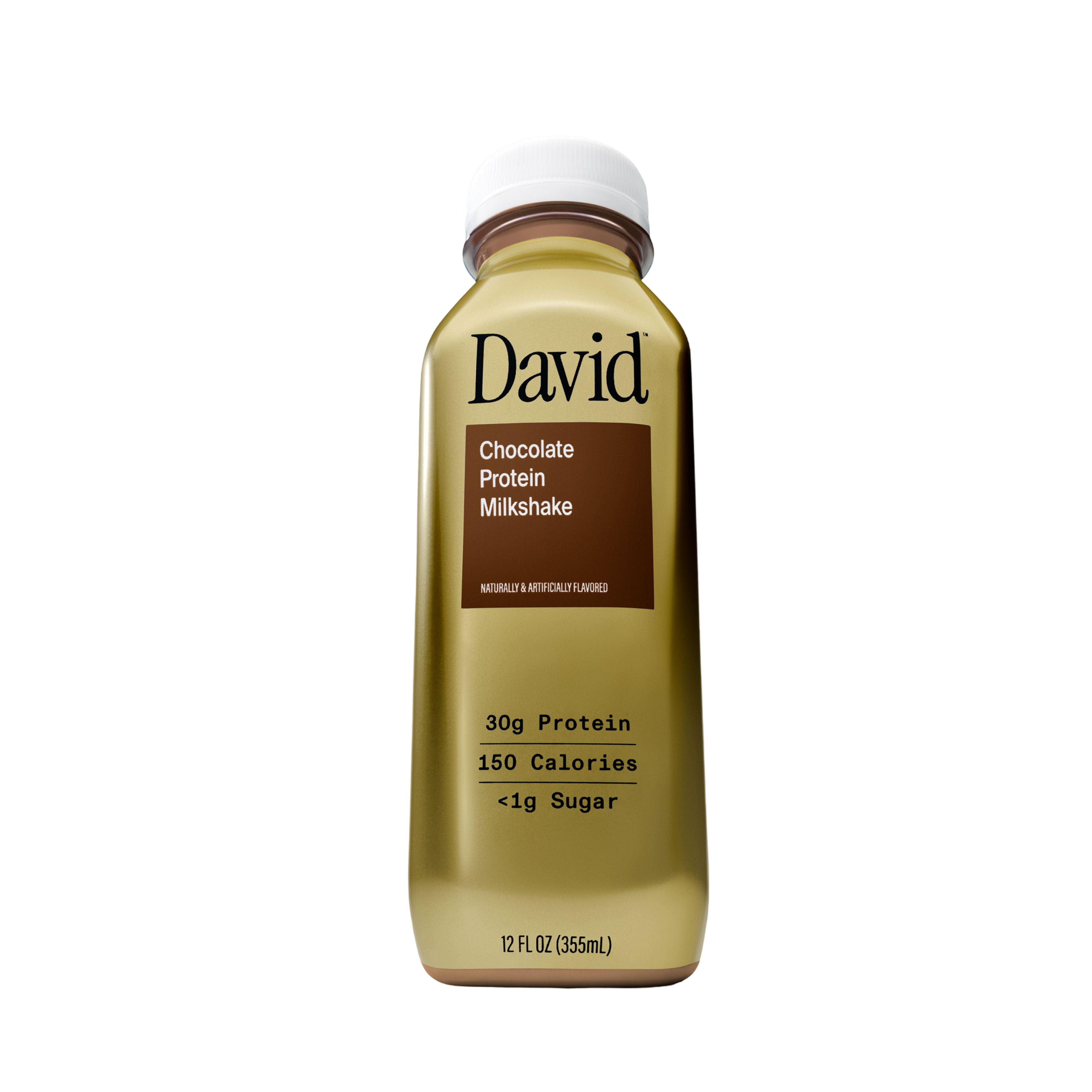
In a world where overweight and obesity trends have been moving in the wrong direction for decades (NCD Risk Factor Collaboration [NCD-RisC], 2024), processed foods aimed at making getting in better shape easier are particularly useful. Nonfat Greek yogurt, cottage cheese, canned fish, whey/pea/soy protein powders, seitan, tempeh, protein bars, and protein shakes are examples of both animal and plant processed food items that provide a lot of protein with not a lot of calories.
Conclusion
While high intakes of ultra-processed foods are associated with negative health outcomes, scientists are still trying to understand how much of that is due to the processing itself versus factors like the types of foods being eaten, their nutrient content, energy density, and how much people eat of them. Intentional, informed dietary choices can lead you to reap the benefits of processed foods designed to make healthy eating easier for you. A restrictive mindset that shuts out anything processed is missing nuance and closes the door to many of these benefits. The name of the game is assessing your needs and making choices in accordance with them. Following a framework to help you understand where each type of processed food should or maybe shouldn’t fit into your diet can help you navigate these decisions, as long as you don’t use it blindly but instead think critically each time. For most people, processed foods are best used alongside nutrient-dense, minimally processed foods, rather than entirely replacing them.
Processing is just that… A process. Health is about much more than what happened to a food before it made it into your body. Set goals, plan for them, and eat in a way that helps you achieve them.


