














Sugar disrupts how your body processes energy, damages your teeth, and rewires your brain to crave more of it. On top of that, modern food is engineered to keep you reaching for more. These effects compound over time, making it hard to cut back even when you know it's harmful. Making small changes like swaps to sugar free snacks can make a big difference to your health.
Key Takeaways
-
Americans consume 17 teaspoons of sugar daily, nearly triple the recommended 6-9 teaspoons.
-
High sugar intake can cause insulin resistance, which increases risk of type 2 diabetes. However, research suggests that even small reductions in daily sugar intake improve metabolic health.
-
62% of foods in the US are "hyperpalatable," engineered with sugar-fat-salt combinations that override fullness signals and drive overconsumption.
-
Simple tips to reduce sugar intake: check labels for hidden sugars, choose whole fruits over juice, drink water instead of soda, and eat sweets with meals to protect your teeth and blood sugar.
There is sugar in almost everything we eat, whether it's naturally occurring sugar in fruit or added sugars in candy, baked goods, drinks, and even condiments. Not all sugar is equal, though. Naturally occurring sugars in whole foods typically come with fiber and nutrients that slow absorption; added sugars usually don't. Most people already know that added sugar isn't good for the body, yet somehow the average American consumes 17 teaspoons a day, nearly triple what health experts recommend. So why is it so hard to cut back on something known to be harmful?
Part of the answer lies in understanding what sugar does to the body and how modern food is engineered to promote cravings. Understanding how the mechanisms work, from metabolism to brain chemistry to dental health, enables informed choices about reducing sugar intake.
Learn about the science behind why sugar is so hard to resist and why limiting it matters for metabolic health, dental longevity, and overall wellbeing.
Added Sugar Is Empty Calories
Sugar contains substantial calories without offering any of the vital nutrients the body needs. This means that foods high in added sugars may provide quick energy, but they often lack vitamins, minerals, fiber, and protein.
For example, a 12-oz can of soda delivers around 39 grams of added sugar and 140 calories with almost no protein or fiber. This provides substantial energy, but the body still sends hunger signals because it hasn't received the nutrients it needs to feel satisfied.
The US Dietary Guidelines recommend keeping added sugar under 10% of total daily calories, or around 50 grams on a 2,000-calorie diet. It's important to remember that this is an upper limit, not a target. It is always recommended to reduce sugar intake as much as possible. Americans average 17 teaspoons. When you consume more energy than you burn, weight gain follows. For those tracking fitness goals and counting macros, limiting high-sugar foods is one of the first steps to making that happen.
How Sugar Affects Your Metabolism
Excessive sugar consumption can impact metabolism over time. Added sugars, especially those in rapidly absorbable forms such as sugar-sweetened beverages and candy, cause acute increases in blood glucose levels. The pancreas responds by releasing insulin to help cells absorb this glucose for energy.
That's a normal metabolic response, but problems arise with chronic exposure. Over time, high sugar consumption can cause excess energy intake and drive resistance to insulin, meaning cells become less responsive to insulin's signals. Blood sugar levels rise, and the body attempts to compensate by producing even more insulin, creating a vicious cycle that can eventually exhaust the pancreas and lead to type 2 diabetes.
The mechanism is particularly harmful with fructose, a sugar found in table sugar and high-fructose corn syrup. Fructose metabolism in the liver bypasses key regulatory steps, causing it to proceed more rapidly through metabolic pathways. At high intakes, this may lead to increased fat production within liver cells and metabolic problems.
But there's good news: you don't need to quit sugar completely to see benefits. Research suggests that restricting added sugar to less than 5% of your total calories may cut the prevalence of prediabetes and type 2 diabetes significantly. And the relationship is dose-dependent, so cutting back from 17 teaspoons a day to 12 makes a measurable difference. Every teaspoon eliminated counts toward better metabolic health.
Sugar's Impact on Dental Health
While metabolic effects develop gradually, sugar's impact on dental health is immediate. Dental caries (cavities) affect 2.5 billion people worldwide, making them the most common noncommunicable disease on the planet.
The mechanism is simple. Bacteria in dental plaque feed on sugar and produce acid that dissolves tooth enamel. Every new exposure to sugar restarts the clock on a 20 to 30 minute acid window. Once that window closes, saliva neutralizes the pH and enamel begins to remineralize.
The implication: frequency matters more than total amount. The more often you reset the clock, the less time your teeth have to recover.
Same rule, different scenarios:
- One candy bar in one sitting: one 20 to 30 minute acid window.
- A soda sipped over two hours: each sip restarts the clock, creating near-continuous acid exposure for the full two hours.
- Four sugary snacks spaced throughout the day: four separate windows, 80 to 120 minutes of cumulative damage.
- Three small cookies eaten hours apart: three windows, even if the total sugar matches one cookie eaten alongside a meal.
Same sugar, different damage. A dessert eaten with a meal does less harm than the same dessert dragged out across an afternoon.
How Sugar Creates Cravings
Cutting back on sugar isn't a willpower issue. Sugar can activate reward pathways and influence taste-driven satiation, and repeated exposure may reduce sensitivity to sweet tastes, which can promote overeating.
Sugar triggers the brain's reward system by releasing dopamine, the same pathway activated by other habit-forming substances. Over time, the brain can reorganize around this response. Studies have shown that people who eat high-sugar, high-fat foods daily for eight weeks had stronger dopamine responses to sugary foods and rated the taste more positively. Their brain chemistry shifted to prioritize sugar.
Hyperpalatable Foods Are Built to Bypass Fullness
Modern food manufacturers have mastered the art of making products that bypass satiety. These "hyperpalatable" foods combine sugar, fat, and salt in proportions that don't exist in nature, override the body's fullness signals, and exploit your brain's reward system.
An apple has sugar, fiber, and water. The fiber slows absorption, the water adds volume, and together they make you feel full. Strip away those elements and combine sugar with fat and salt in particular proportions, and the result is a food that the body can't regulate.
Hyperpalatable foods can stimulate the release of hormones that drive cravings and interfere with the body's ability to manage appetite and satiety. Research analyzing U.S. food databases found that 62% of foods in the American food system meet criteria for hyperpalatability.
These sugary foods are specifically formulated to exploit human biology. So, if you can't stop eating them, they're working as intended.
Taking Control of Your Sugar Intake
Understanding how sugar affects the body empowers you to make better choices without becoming joyless about food. Instead of trying to eliminate all sugar, you need strategies that work in everyday life.
- Check labels carefully. Added sugar amounts are posted on the label. Sugar appears under at least 50 different ingredient names: maltose, dextrose, agave nectar, and high-fructose corn syrup, to name a few. Look for it in bread, pasta sauce, salad dressing, and basically everything that comes in a package.
- Prioritize whole foods. Fruit has sugar, but it also has fiber that slows absorption and prevents blood sugar spikes. Fresh fruit and candy are not metabolically equivalent, even if they both taste sweet.
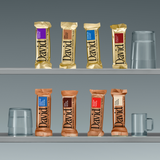
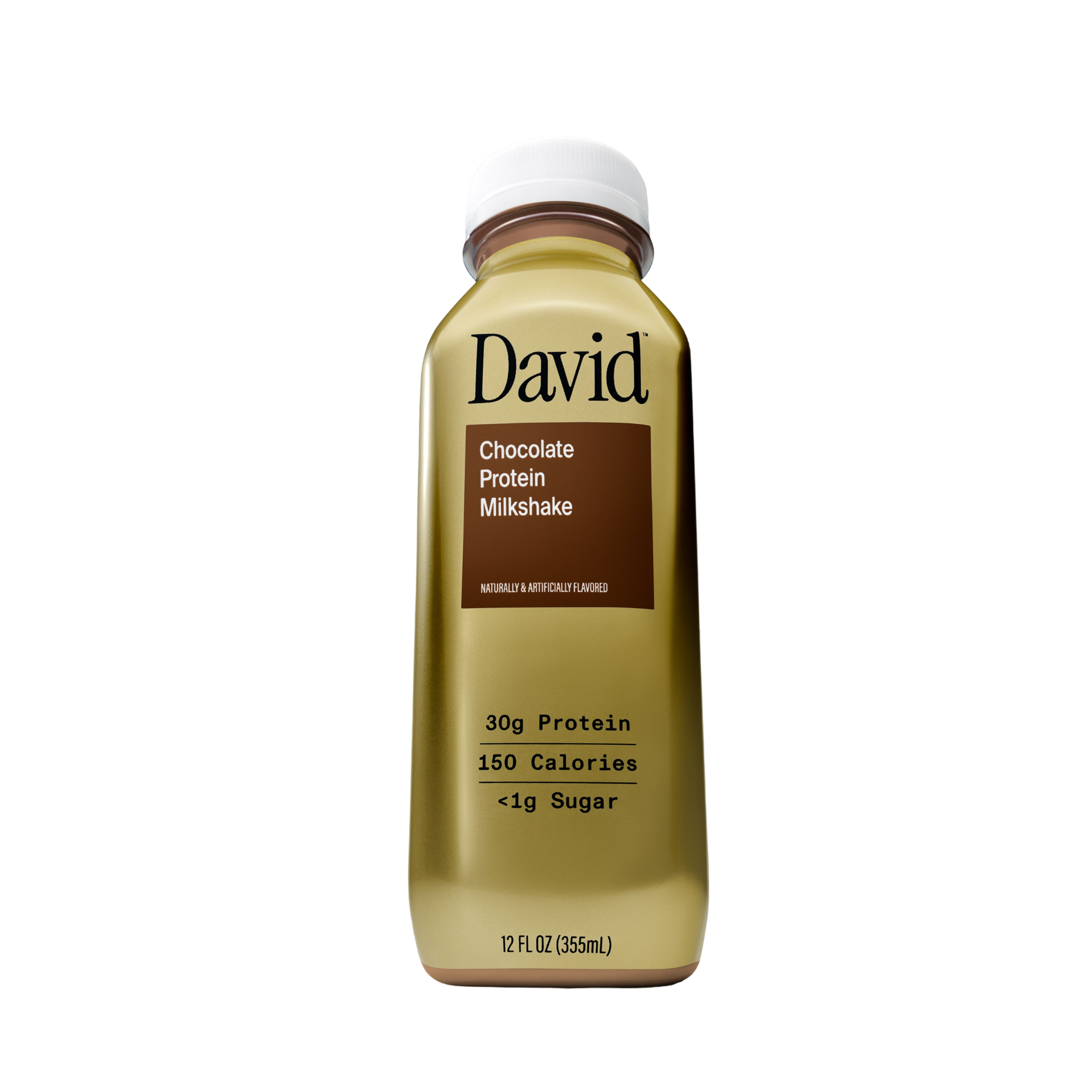
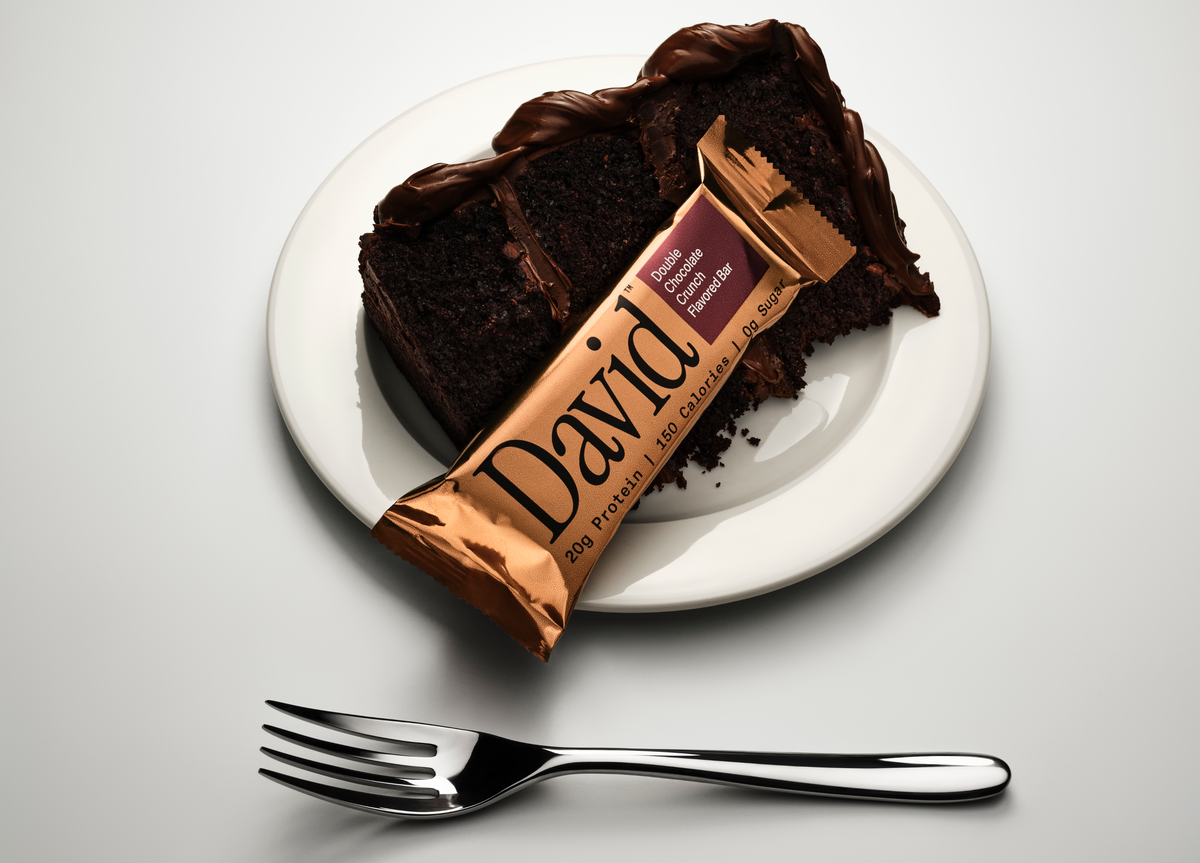
- Introduce low or no sugar snacks: The easiest way to cut sugar between meals is to replace one habitual snack with something that contains less sugar. Nuts, jerky, and sugar free protein bars all fit that profile. If you want something with more protein behind it, David bars deliver 20-28g of protein and 0g of sugar per bar.
- Be mindful of beverages. Liquid sugar is particularly problematic. Soda, juice, and syrupy coffee drinks can deliver hundreds of calories without making you feel full because liquids empty from the stomach much faster than solid foods. This rapid gastric emptying means sugar enters the bloodstream almost immediately, causing sharp spikes in blood glucose. Without fiber to slow absorption, even 100% fruit juice produces a glycemic response similar to soda.
- Start small. Swap one sugary drink per day for water. Choose fruit instead of candy for an afternoon snack. These changes compound over time, leading to better energy, healthier teeth, improved metabolism, and easier weight management.
The goal is to reclaim control over what you eat rather than letting food scientists in labs dictate your cravings.
Sugar's effects on the body work together to create a difficult cycle. Frequent consumption damages teeth, keeps blood sugar elevated, and reinforces the cravings that drive continued intake.
Reducing sugar intake addresses multiple concerns: it can help preserve dental health, reduce energy intake, prevent obesity, and preserve metabolic health. Small, consistent changes can make a measurable difference in overall wellbeing.


