





A growing body of research suggests that body composition—not just body weight—plays a major role in long-term health. Higher levels of muscle mass and lower levels of body fat are consistently associated with better health outcomes, including a reduced risk of chronic disease and early death.
The challenge for most people, though, is executing a healthier lifestyle. Managing your calorie intake in a world full of hyperpalatable, low-satiety foods can make fat loss feel like an uphill battle. That’s where high-protein, calorie-conscious snacks can make a real difference. Protein bars can help control hunger, support muscle retention, and make it easier to stick with a diet and training plan without feeling constantly food deprived.
Key Takeaways
-
Research suggests that having more muscle and less body fat is associated with better long-term health outcomes. Your goal shouldn’t just be to lose weight, but to change the composition of that weight to more muscle and less fat.
-
The former RDA of 0.8 grams per kg of body weight is enough to prevent deficiency, but not necessarily to optimize body composition. Many experts recommend roughly 1.2-1.6 grams of protein per kg of body weight to support muscle, recovery, and satiety.
-
A high-quality bar should deliver a strong protein-to-calorie ratio—ideally 40% or more of its calories from protein—while keeping overall calories low. Taste also matters. After all, consistency is what drives results.
-
With up to 28 grams of protein and 150 calories, David bars deliver up to 75% of calories from protein (CFP), well above most options on the market. That makes them an easy way to increase protein intake while still meeting your calorie goals.
-
Portable, ready-to-eat options can make it easier to avoid less nutritious choices when you’re busy or on the go. And when a protein bar actually tastes good, it becomes a sustainable part of your routine, not just a fallback option.
Why high-protein snacks matter for weight loss
If your goal is to build muscle while losing body fat, protein must be a priority. It supplies the amino acids your body uses to repair and build muscle tissue, helping preserve lean mass even if you’re in a calorie deficit.
It’s also one of the most filling macronutrients. Protein-rich meals and snacks can help control hunger and reduce the likelihood of overeating. And because many lean protein sources are relatively low in calories, it’s easier to keep your calorie intake within your goals without feeling like you’re constantly cutting back.
How much protein you actually need
First, it helps to understand how much protein you need to reap the longevity-enhancing, muscle-boosting benefits. The long-standing U.S. Recommended Dietary Allowance (RDA) was previously 0.8g/kg of body weight, or about 50 grams of protein for a 150-pound person. But that's just the amount one needs to avoid a deficiency, only about half of what experts suggest consuming for optimal health.
While there is no one “correct” number, experts suggest consuming between 1.2 to 1.6 grams of protein per kilogram of bodyweight per day. That’s roughly 75-112 grams of protein for a 150-pound person. This amount helps promote fullness, muscle growth and maintenance, and muscle recovery.
If you’ve never tracked your protein intake before, the numbers may seem high. Start at the lower end of the recommended range and give your body time to adjust. If you’re consistently hitting that target but still feel hungry, you can gradually work toward the higher end. You don’t need to hit your goal intake perfectly every day, either. Being slightly under or over is normal and a reality of everyday life. What matters is that you’re consistently aiming for your target most days. Do that, and your average intake will fall where you want it.
What to look for in a protein bar
Finding a protein bar that tastes good and works for your digestive system is critical to enable consistency. Beyond that, you want to look for a bar that has a high number of calories from protein (CFP)—the percentage of the total calories in a food that come from protein, as opposed to other macronutrients like fats or carbohydrates.
As a heuristic, protein-dense foods will get around 40% or more of their calories from protein. That’s 10 grams of protein per 100 calories. To figure out the exact CFP %, you can use the Nutrition Facts Panel found on the back of almost any food product.
-
There are four calories in a gram of protein. Multiply the listed total grams of protein by four to find the calories from protein.
-
Divide that number by the total number of calories to find out the percent of total calories from protein (CFP)
The higher the percentage, the more efficiently the bar delivers protein without excess calories. A bar that delivers 20 grams of protein but comes with 300 calories can be difficult to fit into both a protein and calorie target, especially if trying to maintain a calorie deficit. In general, bars in the 150-250 calorie range tend to strike a better balance, though it is best to always confirm the total amount of protein, protein quality, and total sugar.
Some bars are low in calories, but feel dense and chalky; others are overly sweet. Some bars taste just like a candy bar, and then you look at the nutrition facts panel and realize you are basically eating a candy bar. But a bar that can deliver the balance of taste and nutrition is one you’ll keep returning to—and the more actually like a protein bar, you’re more likely to opt for a lower calorie, higher protein snack that helps you reach your goals.
Why David Protein Bars Stand Out
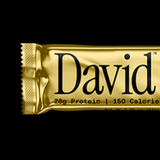
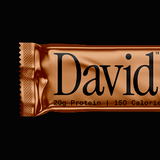
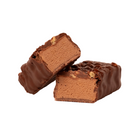
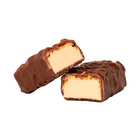
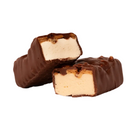
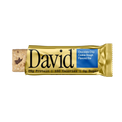
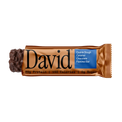
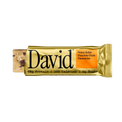
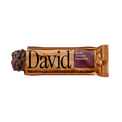
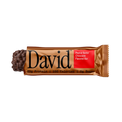
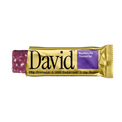
David protein bars optimize for the qualities you want in a protein bar: an efficient nutrient profile and craveable taste. David’s original Gold protein bar has an ultra-high CFP ratio and a large flavor selection. David's newest protein bar, the Bronze bar, is a more indulgent bar that prioritizes taste without compromising nutrition.
Unmatched calories from protein ratio
David protein bars have gained popularity for a simple reason: they deliver more protein per calorie than other protein bars.
A David Gold bar contains 28 grams of protein for 150 calories, meaning roughly 75% of its calories come from protein. For reference, most of the popular protein bars on the market are 20-47% CFP. The David Bronze bar has an even greater emphasis on taste while still delivering 20 grams of protein at 150 calories, putting it at 53% CFP, still well above most other options.
David's Gold bar approaches the protein density of many lean whole foods like cod and chicken breast, while exceeding that of many common protein sources, including eggs and many cuts of beef and pork. It also contains 0g of sugar. In practical terms, it’s a highly efficient way to increase your protein intake without significantly increasing your calorie intake.
I like that they are similar in macros to a high protein shake but take up much less space in my gym bag.
- Jeff P. (5 stars, Verified Customer)
Taste that’ll have you coming back
Taste matters. A box of high-protein, low-calorie protein bars won’t help you reach your goals if you don’t eat them, and consistency remains crucial to getting to where you want to be in the long run. Good nutrition and taste don’t have to be mutually exclusive.
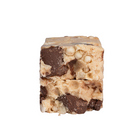
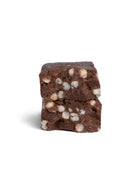
David Gold bars combine a softer dough with crunchy crisps and chocolate chunks, creating a texture that feels like a treat. The Bronze bars have a chocolate coating and a whipped marshmallow core, making them taste closer to a dessert or candy bar. And both bars are well over the industry standard for percent of calories from protein. The Gold line is optimized for performance, while the Bronze bars trade a bit of protein for a richer, even more indulgent texture.
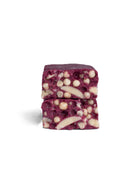
By using a lower-calorie per gram fat alternative, David improved taste and mouthfeel without significantly increasing calories, helping bridge the gap between nutrition and enjoyment. With flavors like Chocolate Chip Cookie Dough, Blueberry Pie, Fudge Brownie, and Salted Peanut Butter, the bars are designed to replace what used to be a compromise between taste and nutrition with something you’ll find yourself actually reaching for.
The little salt that comes through is well-balanced and provides that salty-sweet mix. It's also great for the amount of protein and no added sugar; double bonus.
- Jeremy W. (5 stars, Verified Customer)
You can take them on the go
Convenience plays a bigger role in results than most people realize. It’s easy to make good nutrition choices when you’re at home with time to prepare a meal. It’s much harder when you’re busy, hungry, and your only options are whatever’s nearby.
That’s where portable, ready-to-eat options come in. On the protein snack spectrum, bars are among the easiest to carry with you. Ready-to-drink shakes can weigh close to a pound and are prone to spilling. Jerky often comes in bulky packaging that isn’t exactly discreet once you open it. A protein bar is lightweight, compact, and easy to keep on hand.
Keeping a bar in your car, gym bag, or backpack gives you a reliable option when hunger hits between meals—when you’d otherwise be more likely to grab something less aligned with your goals. David protein bars lean into that advantage as they’re easy to carry without taking up much space.
This is by far the best tasting bar without added sugar and highest protein content. It’s great to grab on the run, on trips and for a quick lunch.
- Bonnie (5 stars, Verified Customer)


