












Key takeaways
-
Research suggests that having more muscle and less body fat is associated with better long-term health outcomes. Your goal shouldn't just be to lose weight, but to change the composition of that weight to more muscle and less fat.
-
The RDA of 0.8 grams per kg of body weight is enough to prevent deficiency, but is not necessarily sufficient to optimize body composition. The 2025-2030 Dietary Guidelines recommend roughly 1.2-1.6 grams of protein per kg of body weight to support muscle, recovery, and satiety.
-
A high-quality bar should deliver a strong protein-to-calorie ratio, ideally 40% or more of its calories from protein, while keeping overall calories low. Taste also matters. After all, consistency is what drives results.
-
Convenient, ready-to-eat options can make it easier to avoid less nutritious choices when you're busy or on the go. And when a protein bar actually tastes good, it becomes a sustainable part of your routine, not just a fallback option.
A growing body of research suggests that body composition, not just body weight, plays a major role in long-term health. Higher levels of muscle mass and lower levels of body fat are associated with better health outcomes, including a reduced risk of early death.
The challenge for most people, though, is actually living a healthier lifestyle. That's where high-protein snacks can make a real difference. Protein bars and shakes can help maintain satiety, support muscle retention, and make it easier to stick with a diet and training plan without feeling constantly food deprived.
Why high-protein snacks matter for weight loss
If your goal is to build muscle while losing body fat, protein must be a priority. It supplies the amino acids your body uses to repair and build muscle tissue, helping preserve lean mass even if you're in a calorie deficit.
Protein is also the most filling macronutrient. Protein-rich meals and snacks can help maintain satiety, which may reduce the likelihood of overeating when following a weight-loss program. And because many lean protein sources are relatively low in calories, it's easier to keep your calorie intake within your goals without feeling like you're constantly cutting back.
How much protein you actually need
First, it helps to understand how much protein you personally need. The long-standing U.S. Recommended Dietary Allowance (RDA) is 0.8g/kg of body weight, or about 54 grams of protein for a 150-pound person. But that's just the amount one needs to avoid a deficiency.
While there is no one "correct" number, the 2025-2030 Dietary Guidelines suggest consuming between 1.2 to 1.6 grams of protein per kilogram of body weight per day. That's roughly 82-109 grams of protein for a 150-pound person. This amount helps promote fullness, muscle growth and maintenance, and muscle recovery.
First and foremost, consider consulting a registered dietician or your primary care provider when determining your individual protein needs. Additionally, your protein needs may fluctuate due to a variety of factors such as age, exercise habits, and more. These nuances and needs are especially pertinent to discuss with a health professional.
If you've never tracked your protein intake before, the numbers may seem high. For those trying to increase their protein intake, start at the lower end of the recommended range and give your body time to adjust. If you're consistently hitting that target but still feel hungry, you can gradually work toward the higher end. You don't need to hit your goal intake perfectly every day, either. Being slightly under or over is normal and a reality of everyday life. What matters is that you're consistently aiming for your target most days. Do that, and your average intake will fall where you want it.
What to look for in a protein bar
Finding a protein bar that tastes good and works for your protein goals is critical to enable consistency. Beyond that, you want to look for a bar that has a high number of calories from protein (CFP)—the percentage of the total calories in a food that comes from protein, as opposed to other macronutrients like fats or carbohydrates.
As a heuristic, protein-dense foods will get around 40% or more of their calories from protein. That's 10 grams of protein per 100 calories. To figure out the exact CFP %, you can use the Nutrition Facts Panel found on the back of almost any food product.
- There are four calories in a gram of protein. Multiply the listed total grams of protein by four to find the calories from protein.
- Divide that number by the total number of calories to find out the percent of total calories from protein (CFP).
The higher the percentage, the more efficiently the bar delivers protein without excess calories. A bar that delivers 20 grams of protein but comes with 300 calories may be difficult to fit into a protein and calorie target, especially if one is trying to maintain a calorie deficit. In general, bars in the 150-250 calorie range tend to strike a better CFP, though it is best to always confirm the total amount of protein, protein quality, and total sugar.
Some bars are low in calories, but feel dense and chalky; others are overly sweet. Some bars taste just like a candy bar, and then you look at the nutrition facts panel and realize you are basically eating a candy bar. But a bar that can deliver the balance of taste and nutrition is one you'll keep returning to—and the more you like a protein bar, the more likely you are to choose it.
Why David protein bars stand out
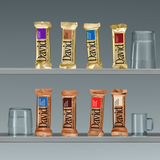
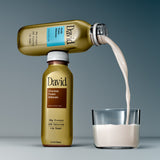
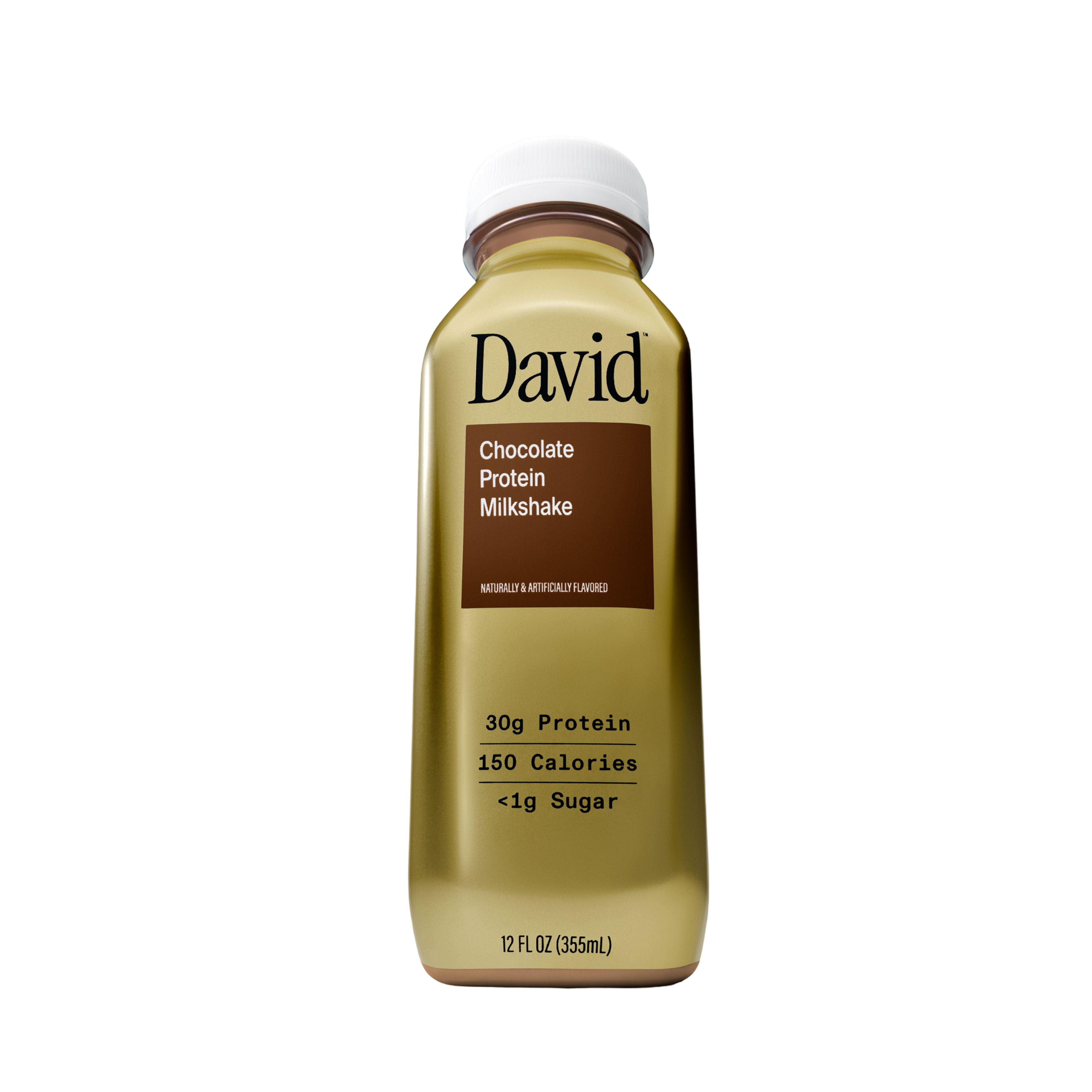
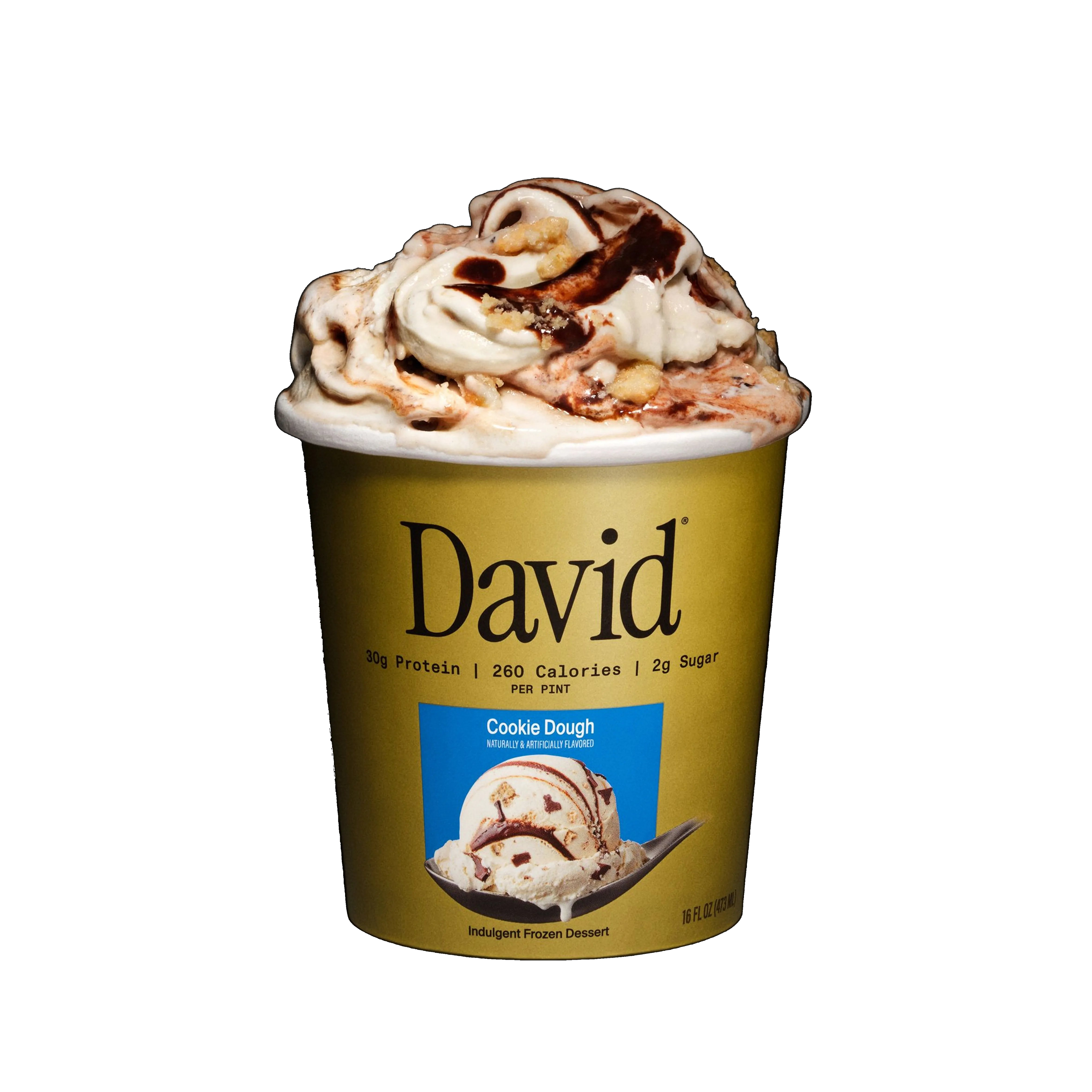
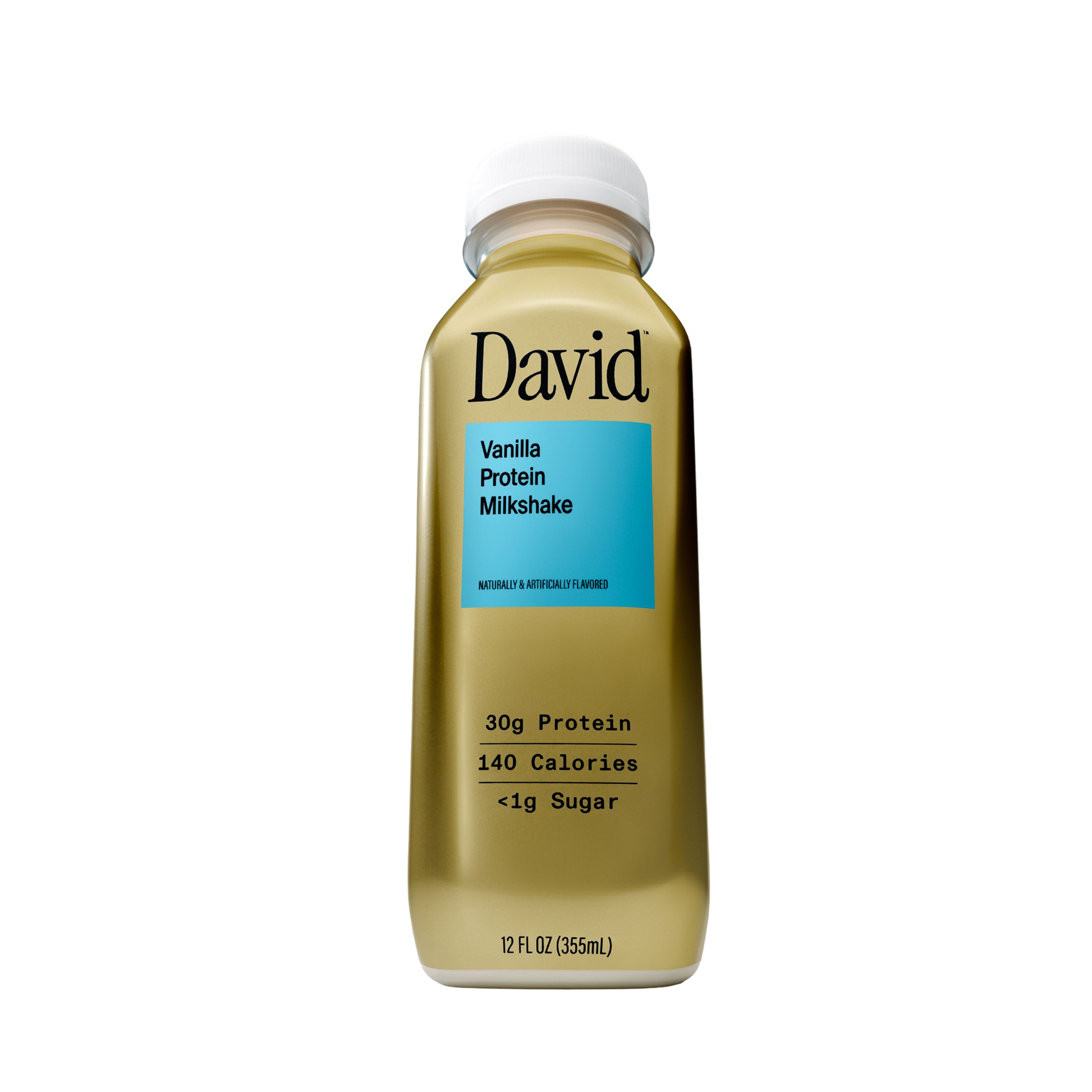
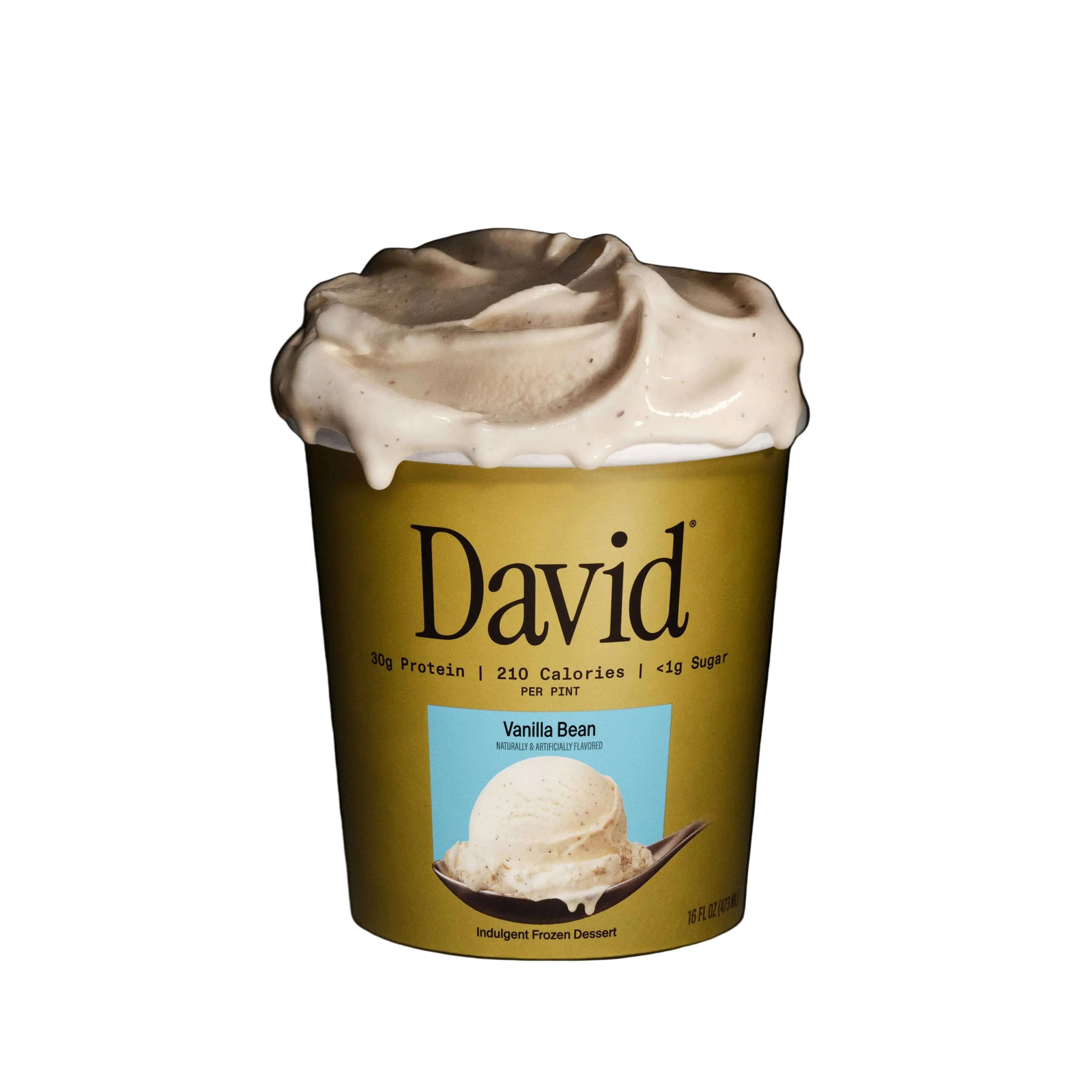
David protein bars deliver the qualities you want in a protein bar: an efficient nutrient profile and craveable taste. David's original Gold protein bar has an ultra-high CFP ratio and a large flavor selection. David also makes a ready-to-drink protein shake, currently standing at an 80% to 86% CFP ratio. It prioritizes taste and texture without compromising nutrition.
The calories from protein ratio
David protein bars have gained popularity for a simple reason: they deliver more protein per calorie than other protein bars.
A David Gold bar contains 28 grams of protein for 150 calories, meaning roughly 75% of its calories come from protein. For reference, most of the popular protein bars on the market are 20-47% CFP. Each David protein shake delivers 30g of protein at 140 to 150 calories, putting it at 80% calories from protein (CFP).
David's Gold bar approaches the protein density of many lean whole foods like cod and chicken breast, while exceeding that of many common protein sources, including eggs and many cuts of beef and pork. It also contains 0g of sugar. In practical terms, it's a highly efficient way to increase your protein intake without significantly increasing your calorie intake.
These are my favorite protein bars for a quick snack or protein cap. Super convenient and they have incredible macros.
- Camille (5 stars, Verified Customer)
Taste that'll have you coming back
Taste matters. A box of high-protein, low-calorie protein bars won't help you reach your goals if you don't eat them, and consistency remains crucial to getting to where you want to be in the long run. Good nutrition and taste don't have to be mutually exclusive.
David Gold bars combine a softer dough with crunchy crisps and chocolate chunks, creating a texture that feels like a treat.
By using a lower-calorie per gram fat alternative, EPG, David has an indulgent taste and mouthfeel without the calories of traditional fats, helping bridge the gap between nutrition and enjoyment. With flavors like Chocolate Chip Cookie Dough, Blueberry Pie, Fudge Brownie, and Salted Peanut Butter, the bars are designed to replace what used to be a compromise between taste and nutrition with something you'll find yourself actually reaching for.
The little salt that comes through is well-balanced and provides that salty-sweet mix. It's also great for the amount of protein and no added sugar; double bonus.
- Jeremy W. (5 stars, Verified Customer)
You can take them on the go
Convenience plays a bigger role in results than most people realize. It's easy to make good nutrition choices when you're at home with time to prepare a meal. It's much harder when you're busy, hungry, and your only options are whatever's nearby.
That's where portable, ready-to-eat options come in. On the protein snack spectrum, bars are among the easiest to carry with you
Keeping a bar in your car, gym bag, or backpack gives you a reliable option when hunger hits between meals—when you'd otherwise be more likely to grab something less aligned with your goals.
This is by far the best tasting bar without added sugar and highest protein content. It's great to grab on the run, on trips and for a quick lunch.
- Bonnie (5 stars, Verified Customer)


